


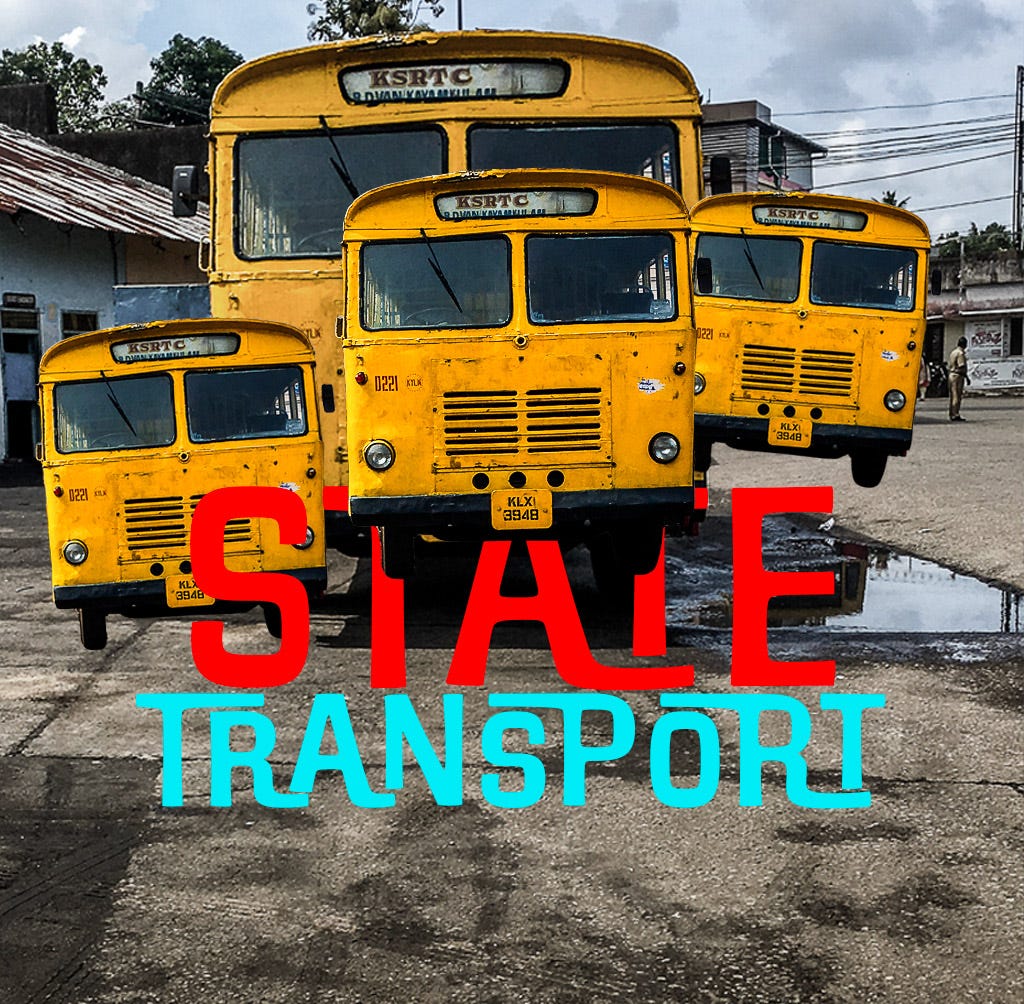
Around 2010, searches for the word austerity peaked. The term entered public life in the aftermath of the 2008 financial crisis, when governments across much of the world adopted it as their response to economic turmoil.
Some time ago, I read Know Your Place, a book that has stayed with me ever since. Through a series of stories, it examines life in Britain during the years of austerity and its effects on working-class communities and immigrants who powered much of the labour force.

The title itself is a keen observation on how democracies have evolved in an era of deep inequality. Citizens, once encouraged to see themselves as empowered consumers, increasingly came to be treated as subjects and, in many cases, as liabilities to be managed. The cutbacks came in overt and covert ways.
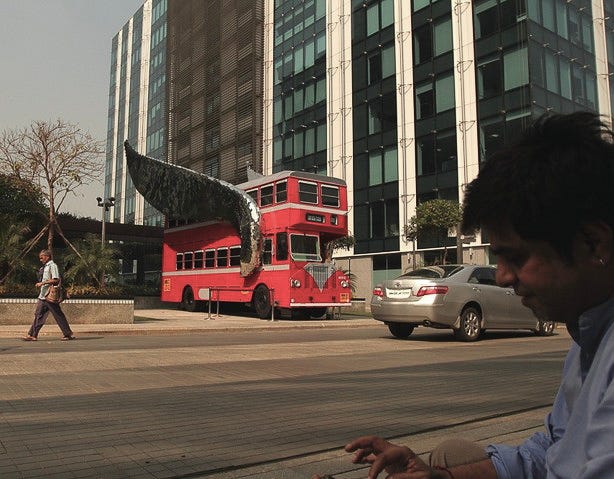
If you use public transport in India, you can see it in the gradual atrophy of services into skeletal networks. In the slowing and eventual disappearance of permanent hiring, replaced by contract workers and leased buses.
You can see it in governments falling in love with metros, dreaming of pods and app-based mobility, while neglecting the systems that already exist, because they have money that can give them kickbacks, but austerity when it comes to hiring people to make a public transport system function smoothly.
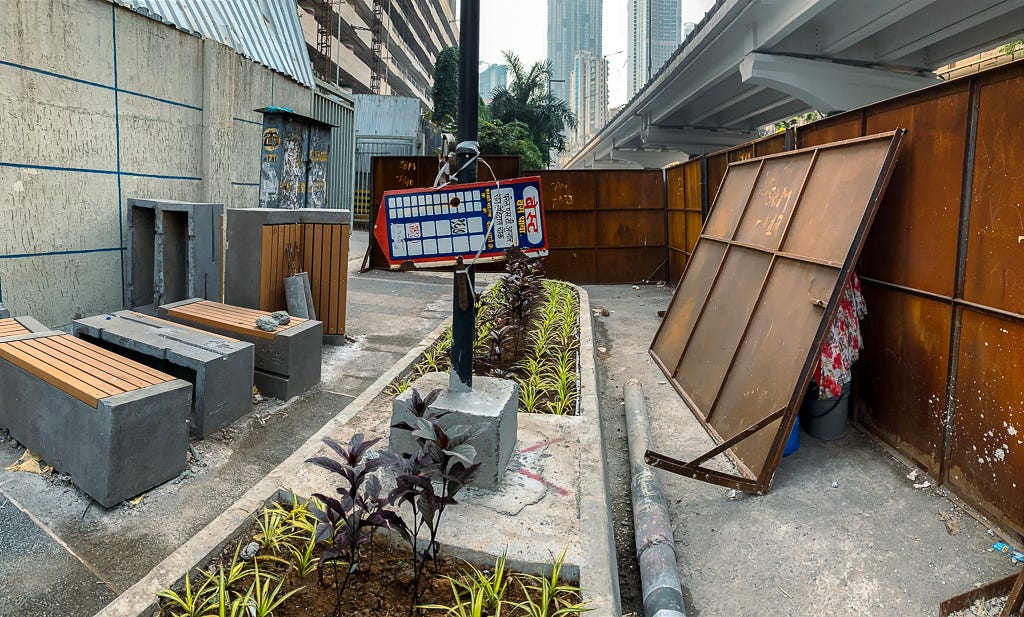
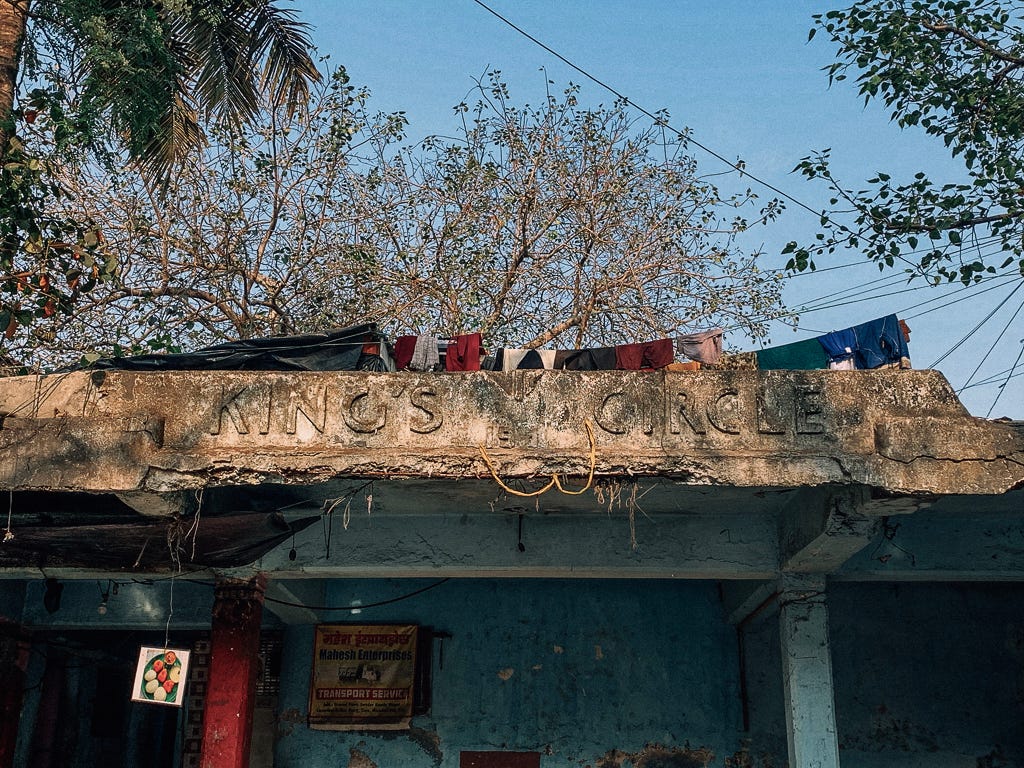


You can see it in crumbling bus stands and bus stops. In depots that seem permanently under repair. In strikes that periodically disrupt the lives of people who no longer have a voice and have quietly accepted their place in the hierarchy of mobility.
You can even see it in the cycle of hope itself. New electric fleets are announced with great fanfare, only for expectations to outrun reality.
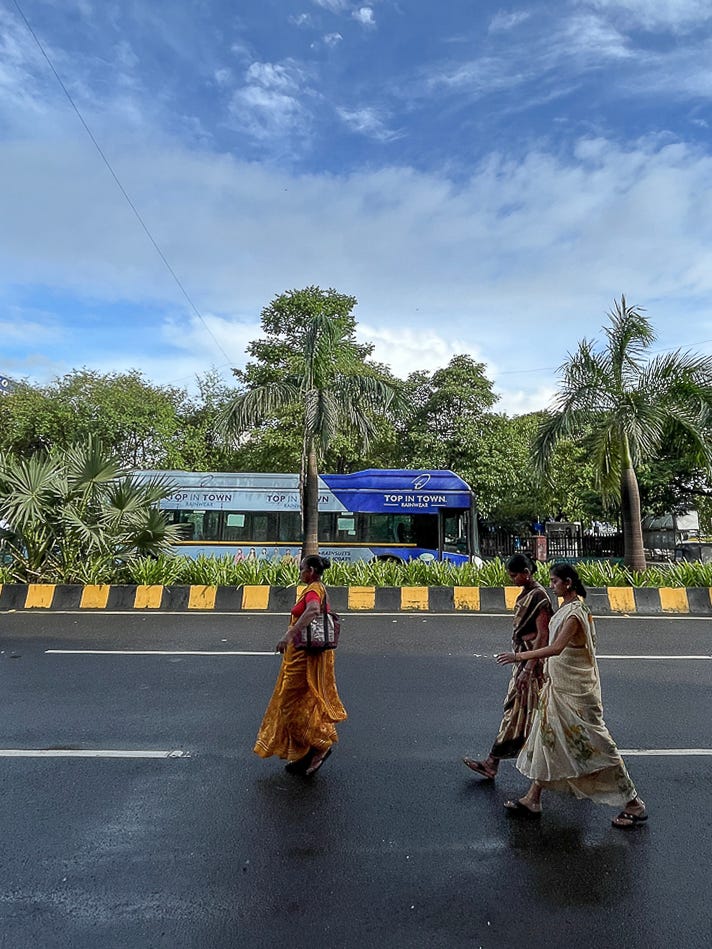
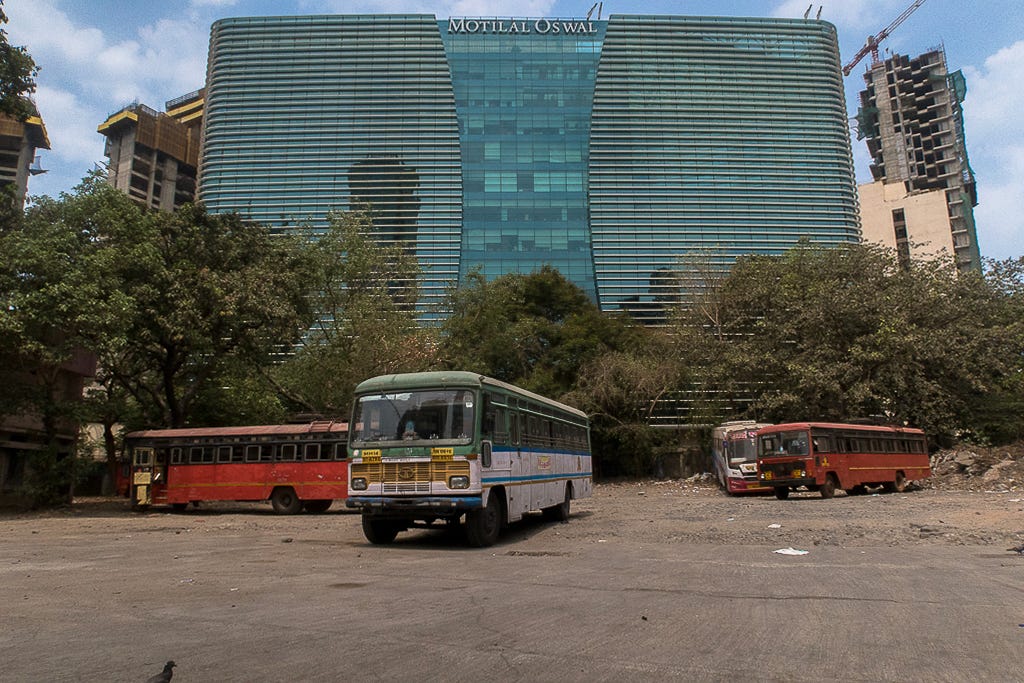
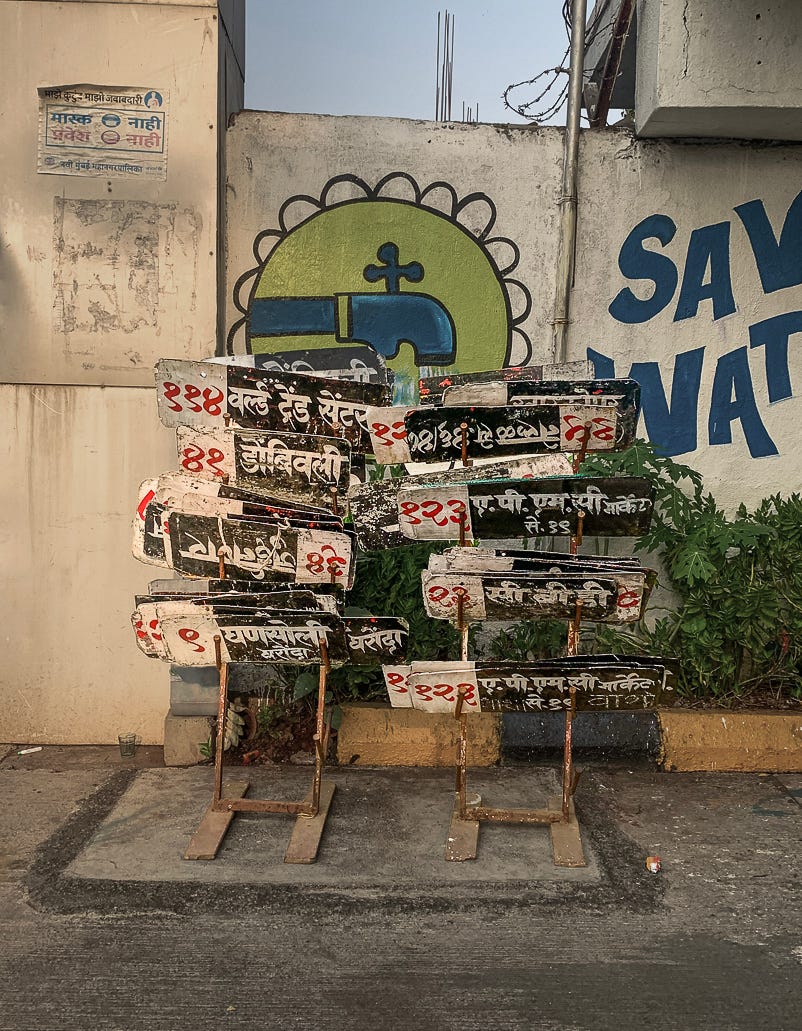
Video: This was how new routes of BEST were announced in Mumbai. This was outside Govandi Station.
Austerity in India rarely announces itself loudly. It arrives one cancelled route, one lower frequency, one unfilled vacancy and one decaying bus depot at a time.
The way BEST in Mumbai and MSRTC or State Transport (ST) of Maharashtra are treated by the state is a great example of decay.
Today’s images are also from Kerala, where I stayed for a few days: Muthukulam, a village in Alappuzha district situated on the road between Kayamkulam and Haripad towns.
This route once had a reliable bus service operated by both private operators and the state transport corporation, with buses every fifteen to twenty minutes during peak hours.
Not any more.
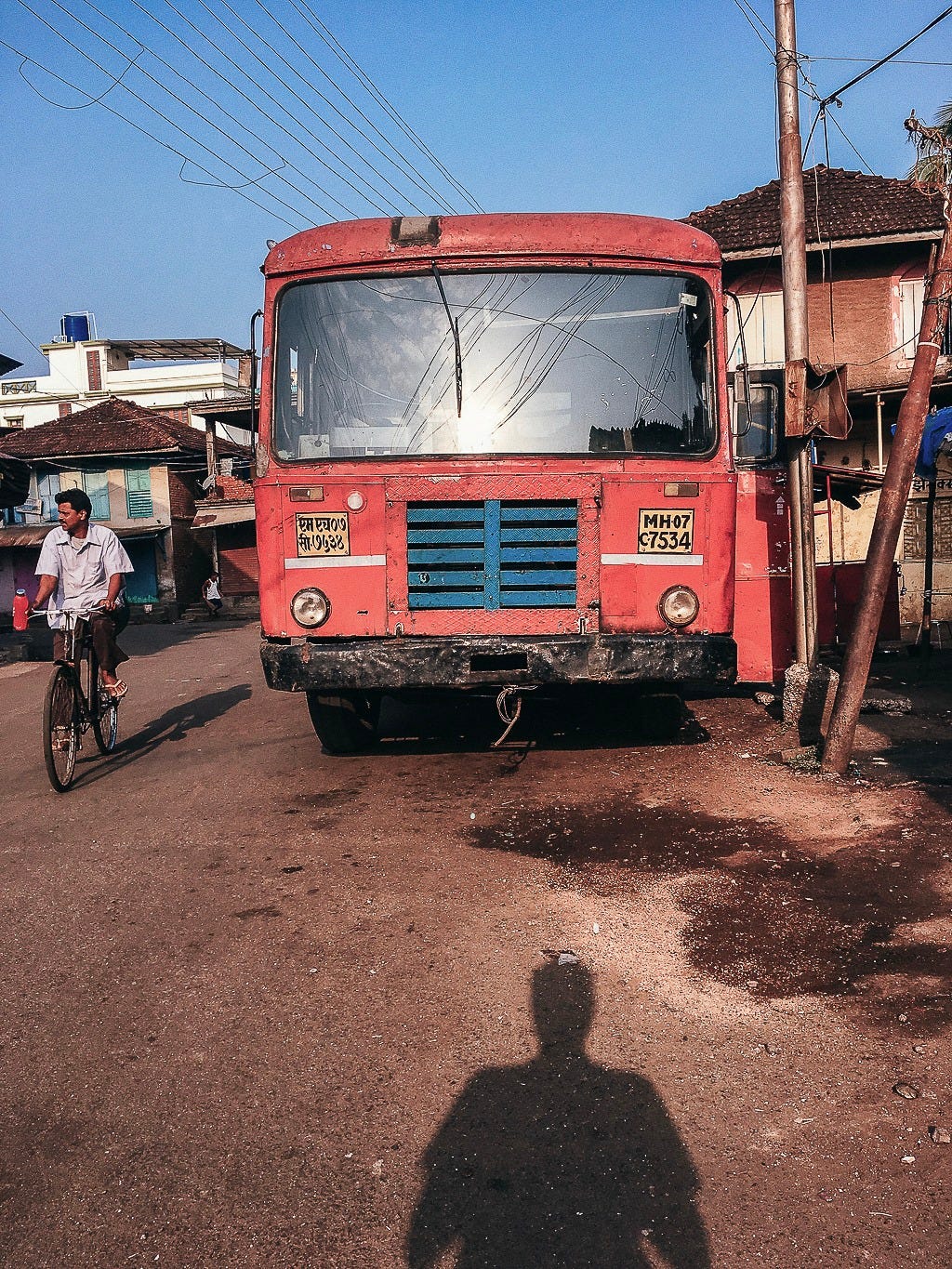
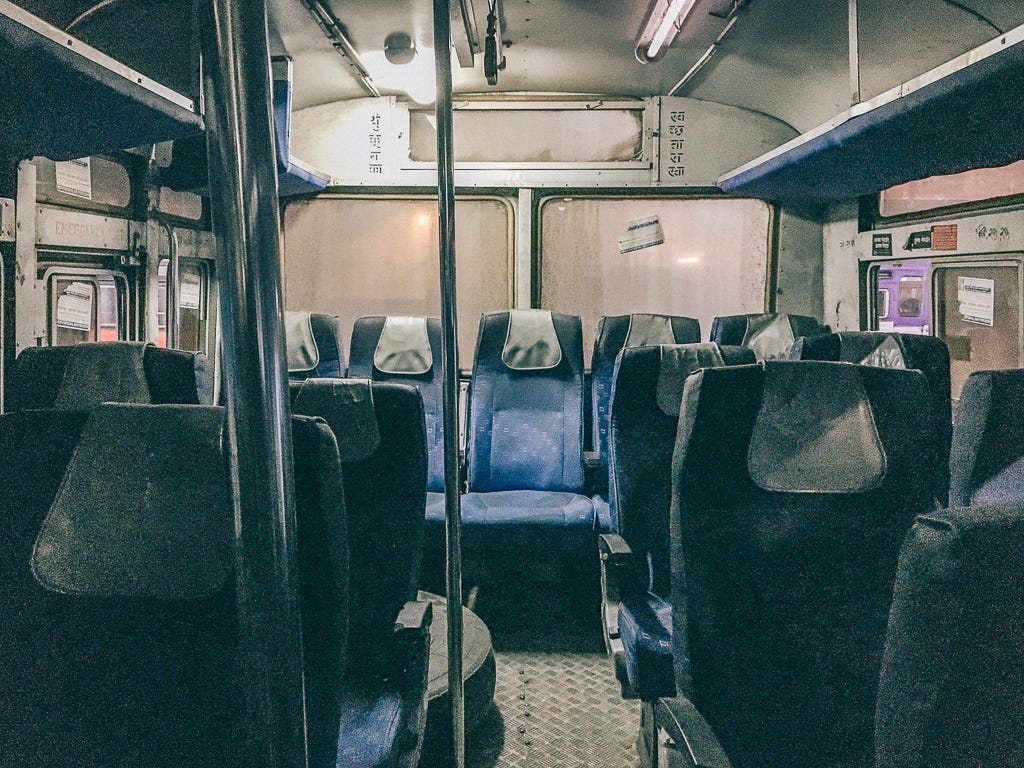
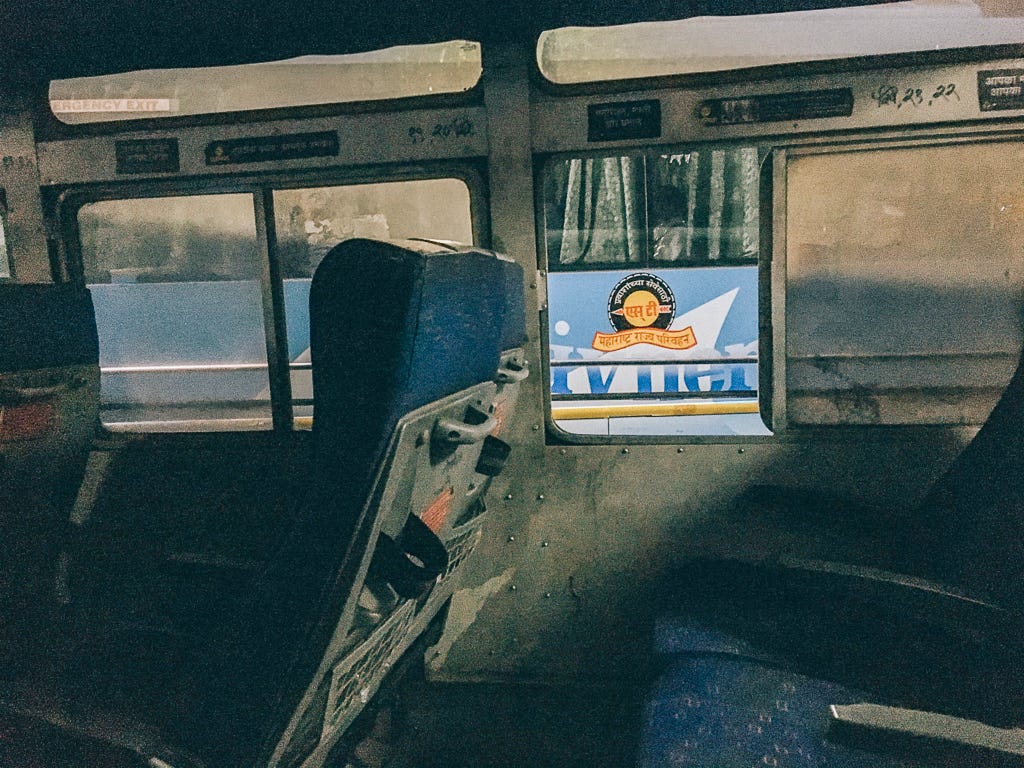
It’s the same story as in Mumbai or Maharashtra.
I found myself waiting for long stretches at bus stops alongside people who depended on this now-skeletal service in Kerala. Most of them were older women and migrant workers, while many locals with means appeared to have shifted to two-wheelers and cars.
The economics of decline are startling. An autorickshaw at the local bus stop charges ₹300 for a journey that cost ₹15 by bus, if it arrives on time.
And perhaps that is how austerity ultimately works. Not through dramatic announcements, but through quiet withdrawals. One day, a bus simply stops coming. And the people who relied on it learn their place.
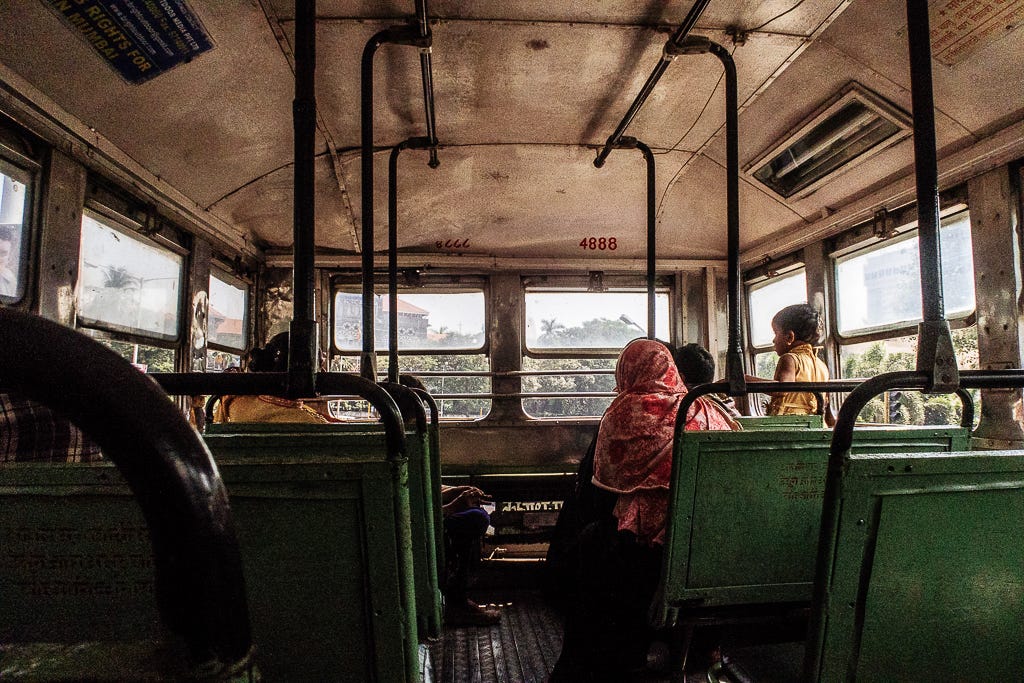
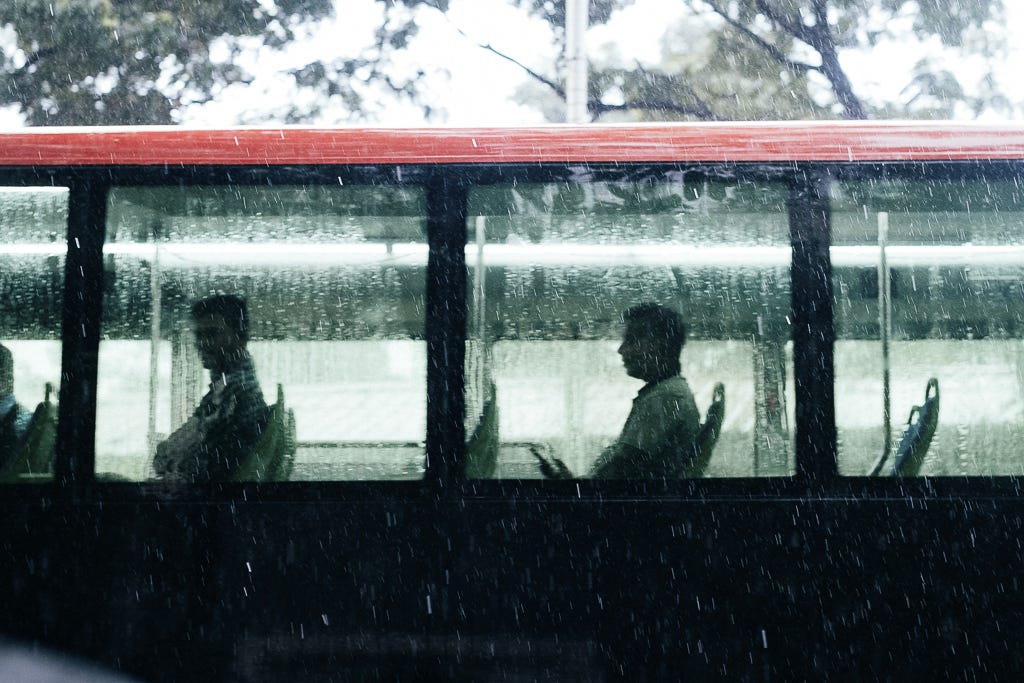
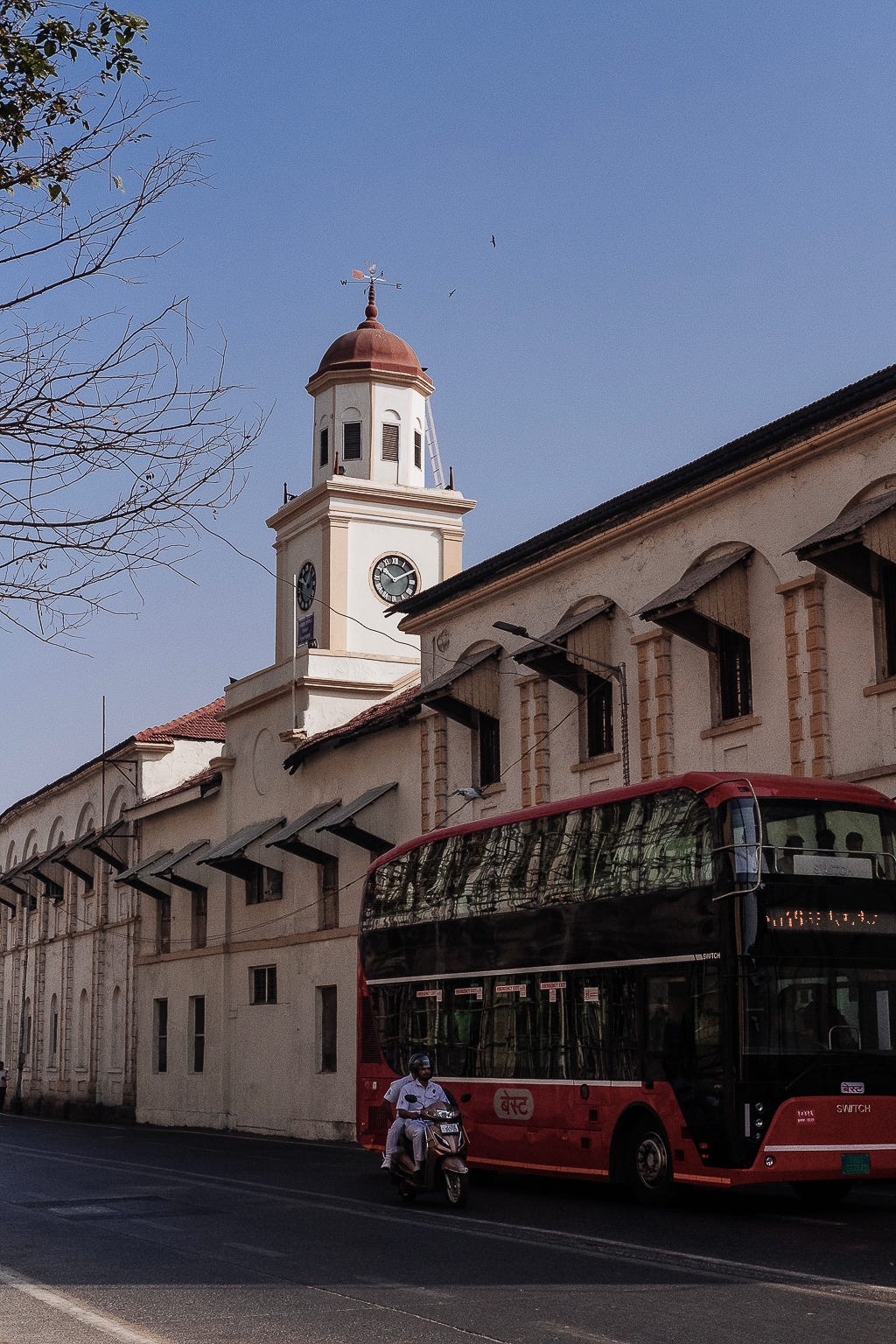
The seats that are reserved for different kinds of passengers in Mumbai.


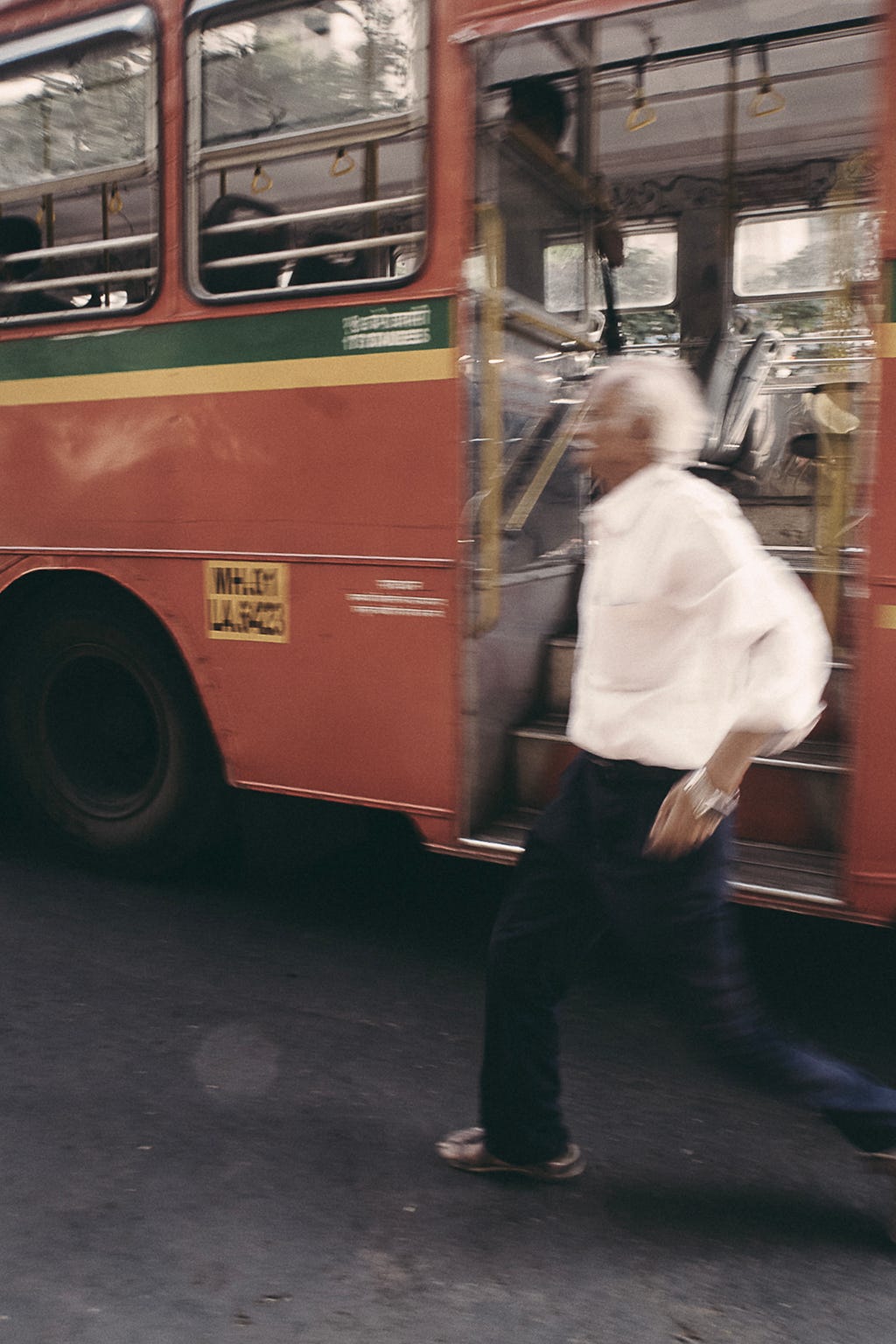
The bus is the only reliable public transport for the seniors.


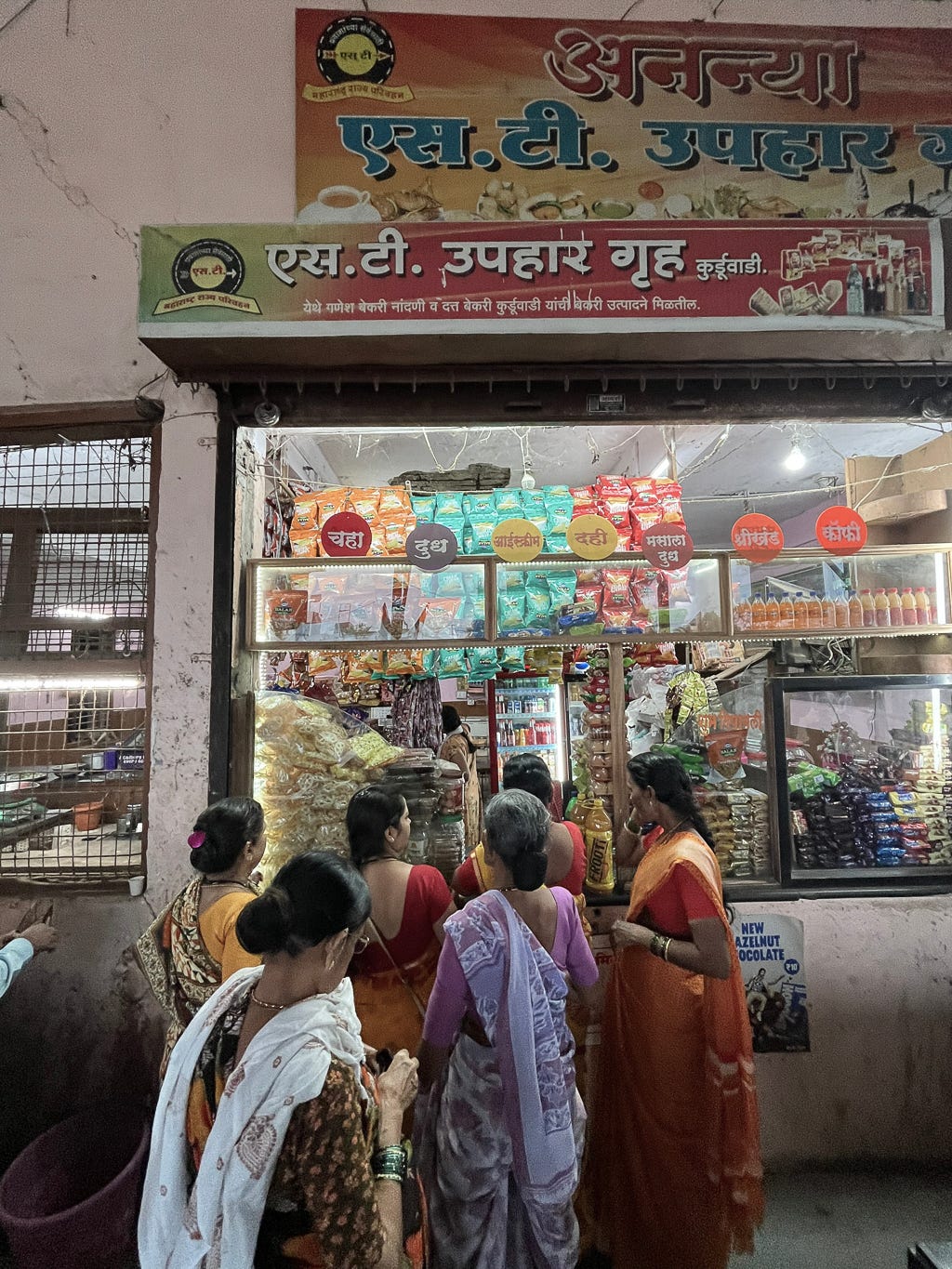
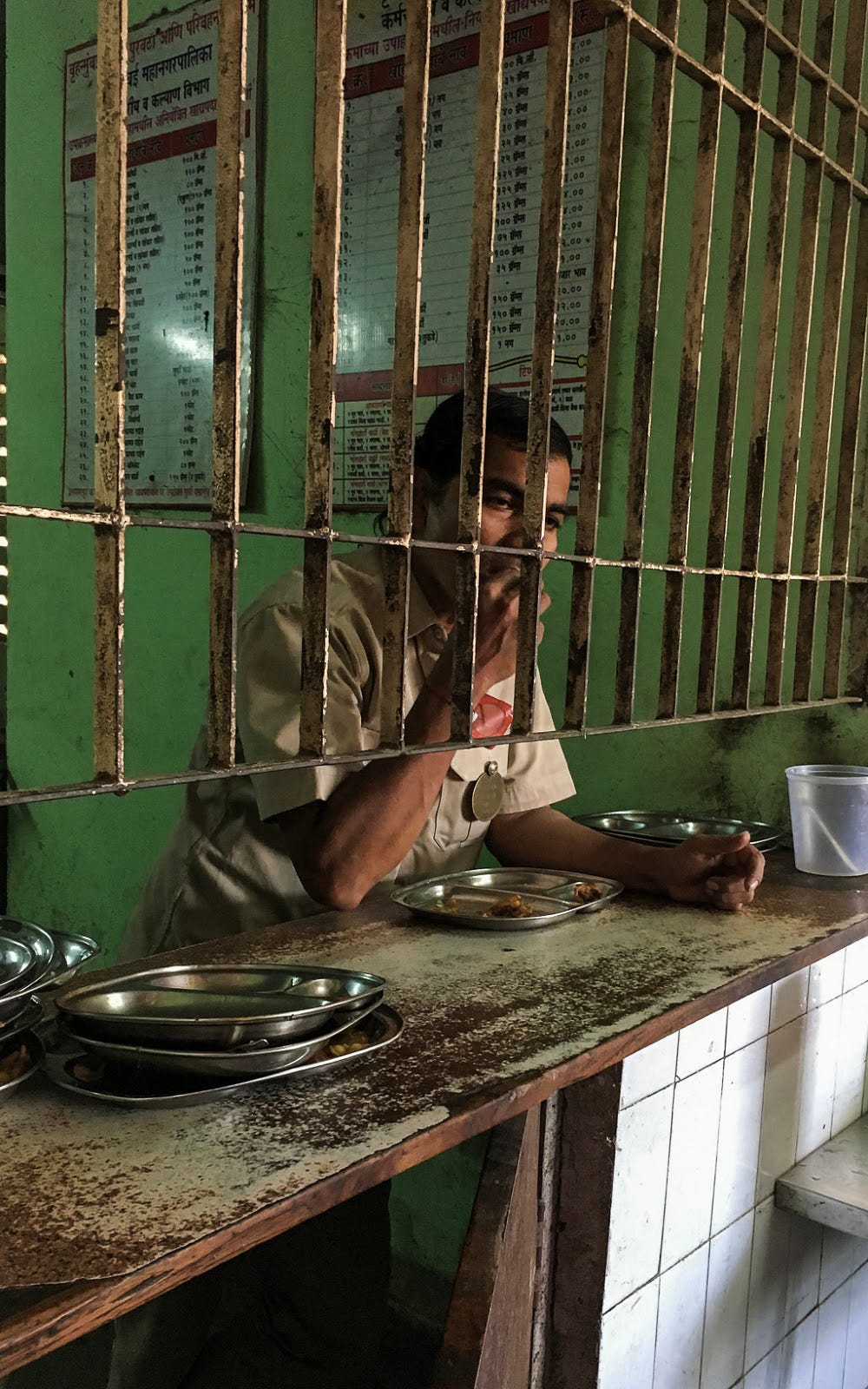
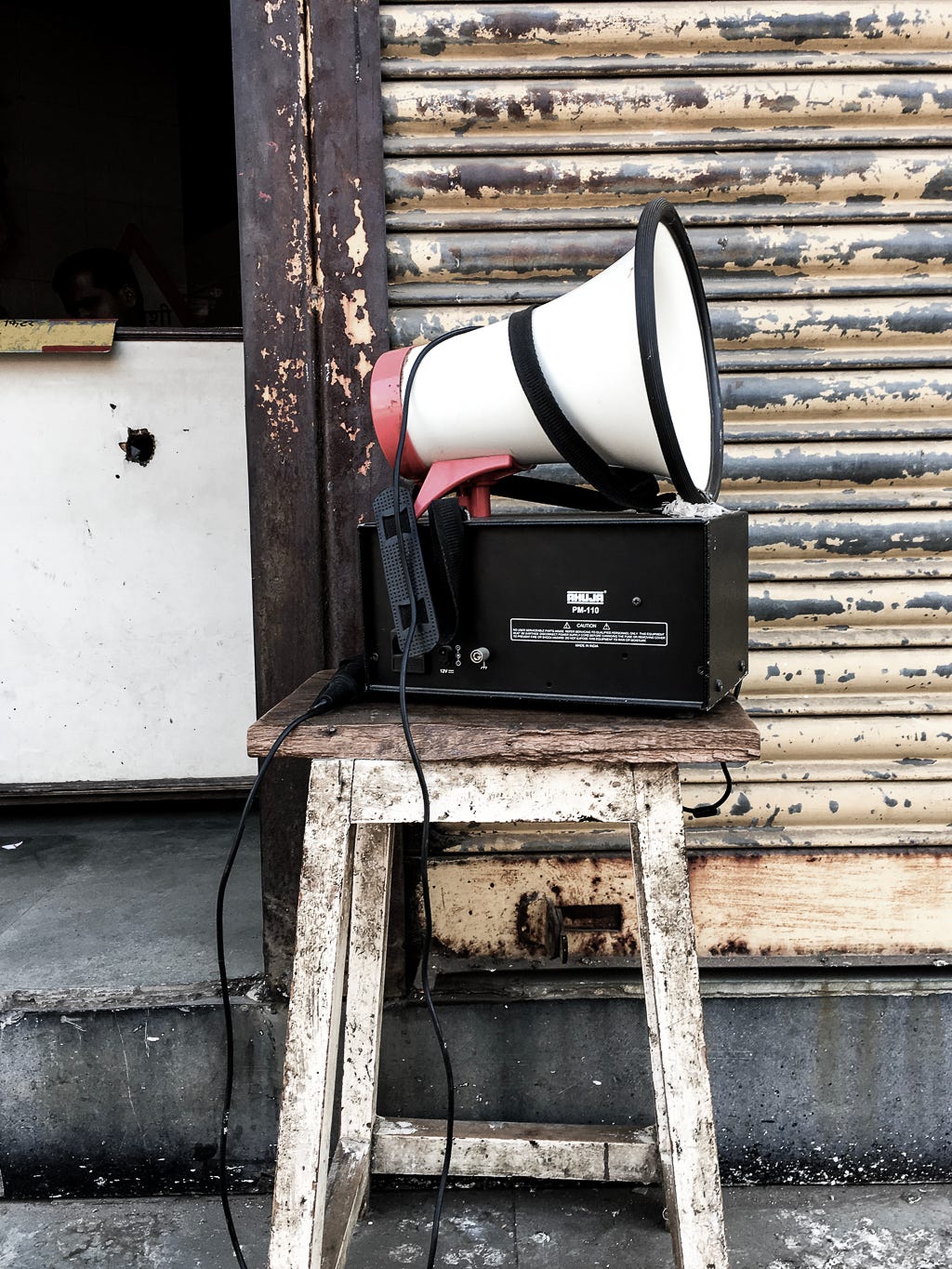
The State Transport and BEST Canteens:
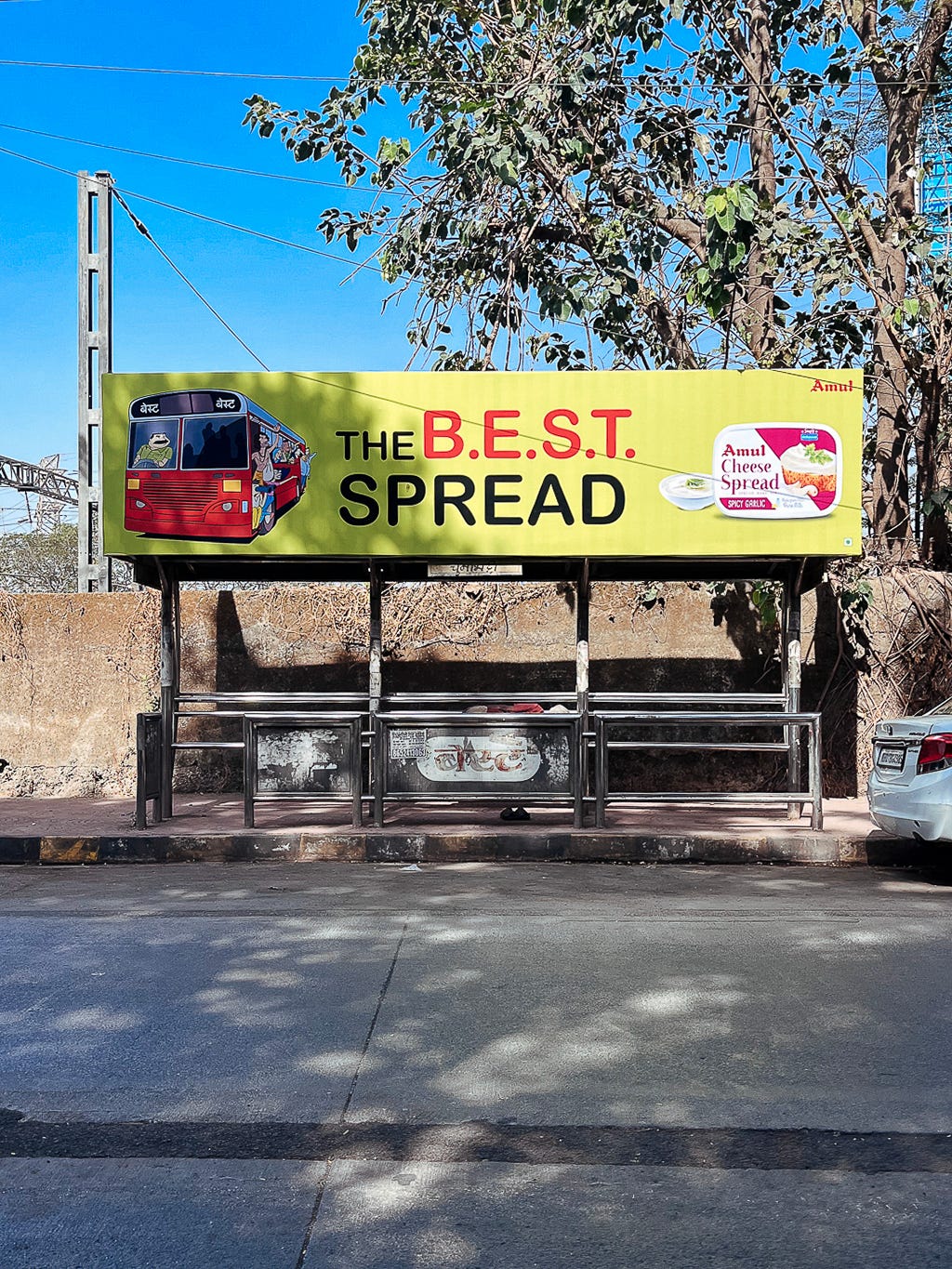
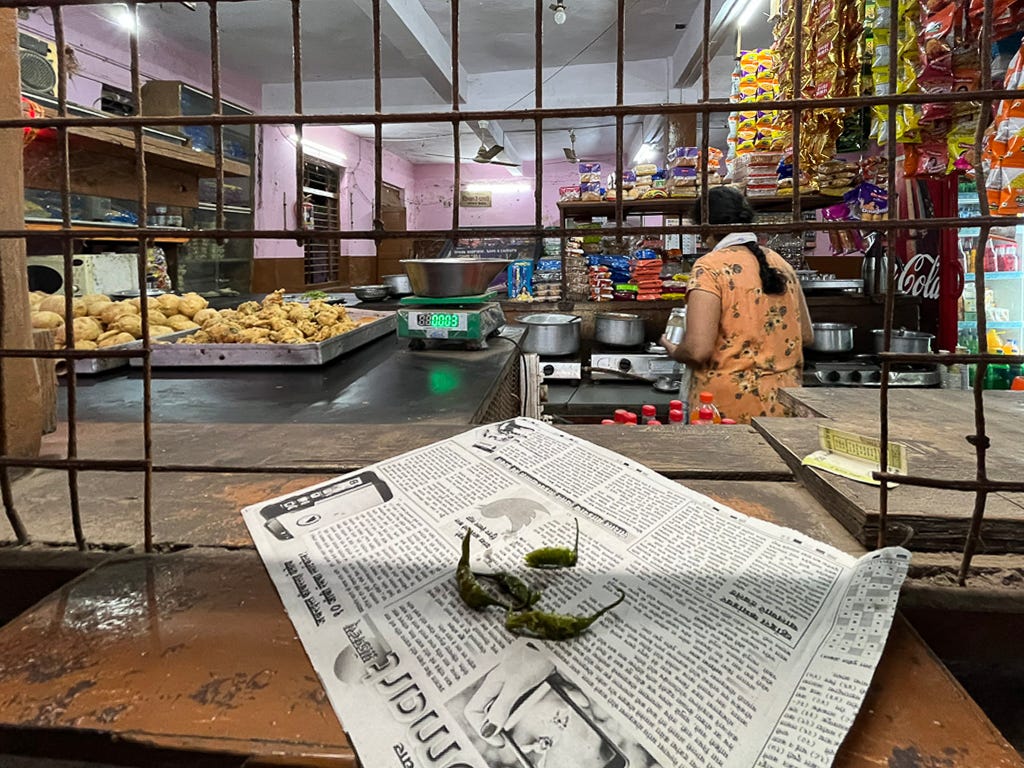
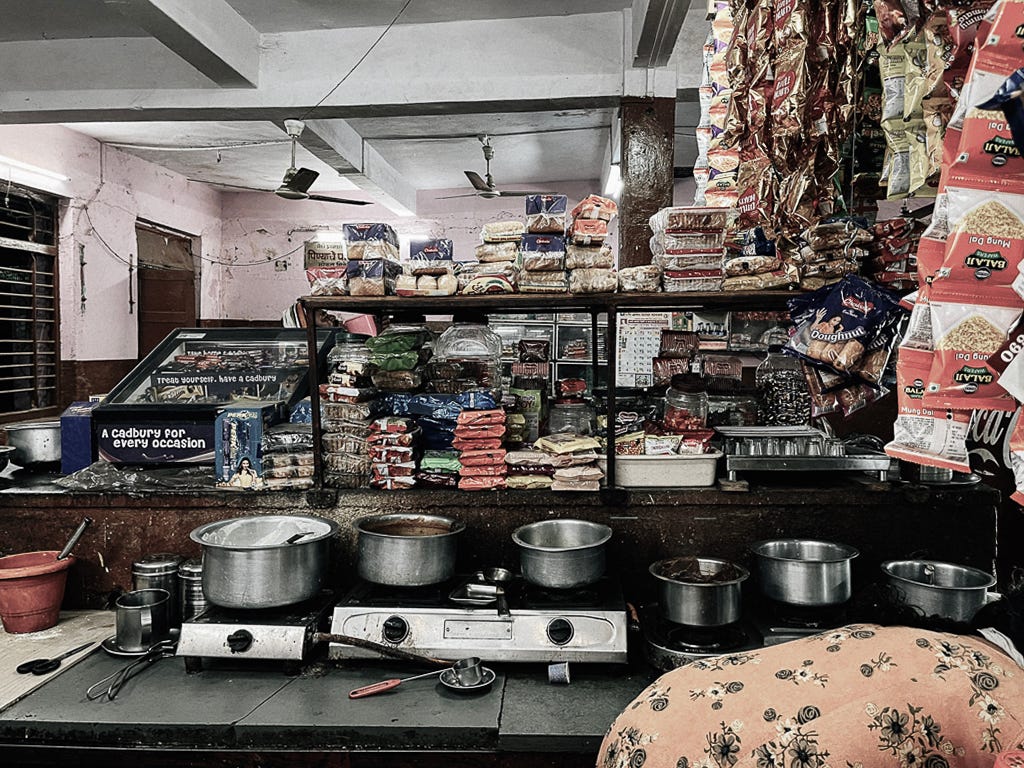
Worli:
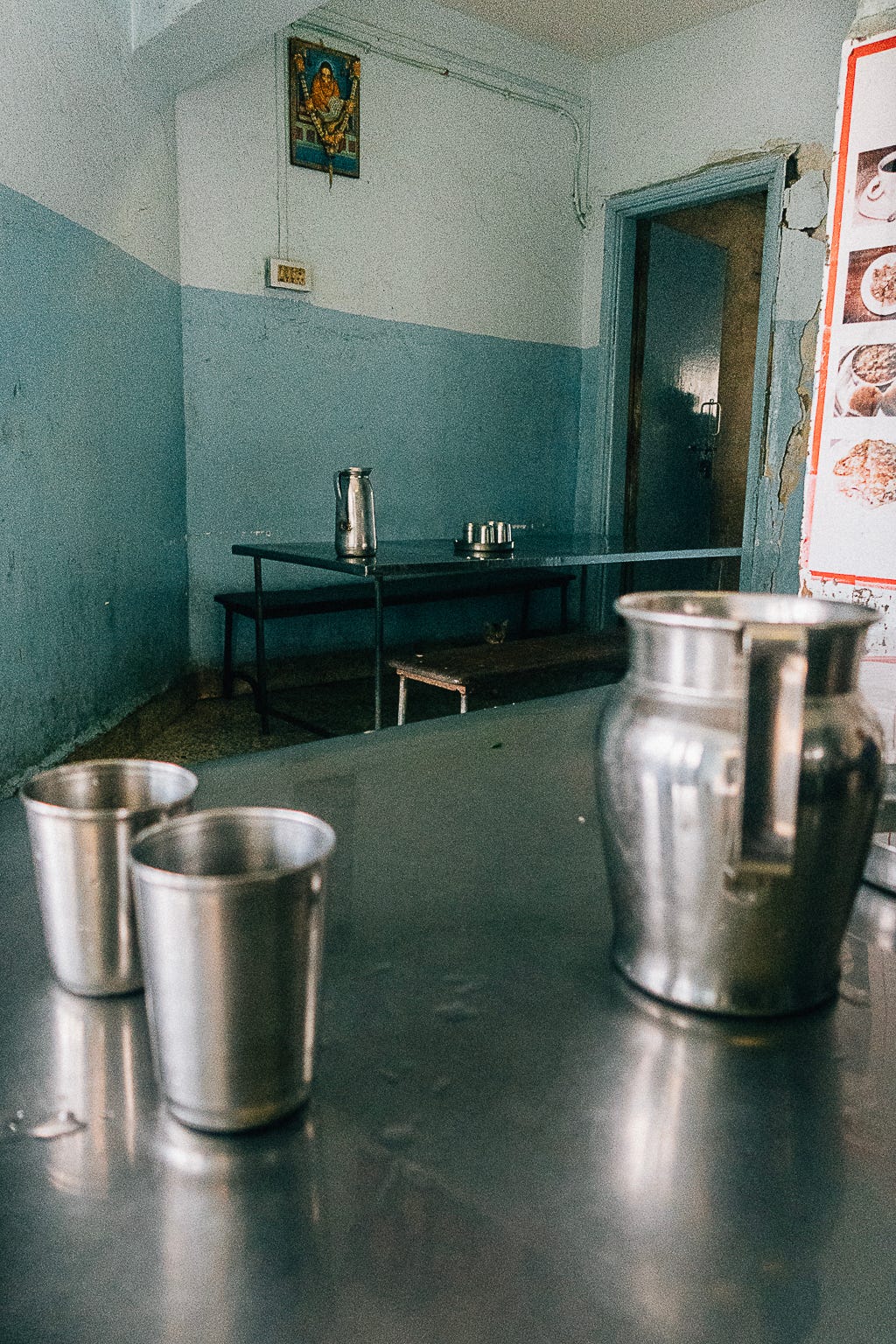
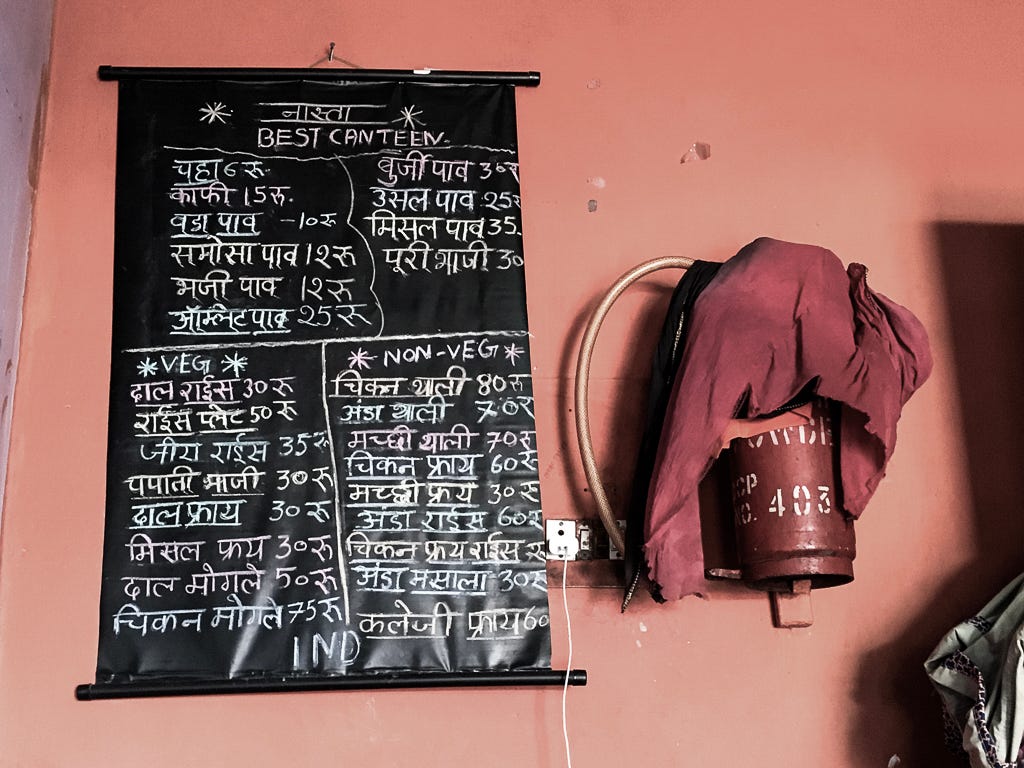
The old mobile BEST Canteen in town.
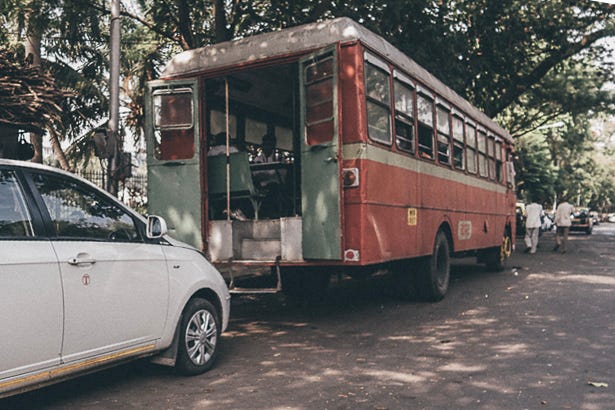
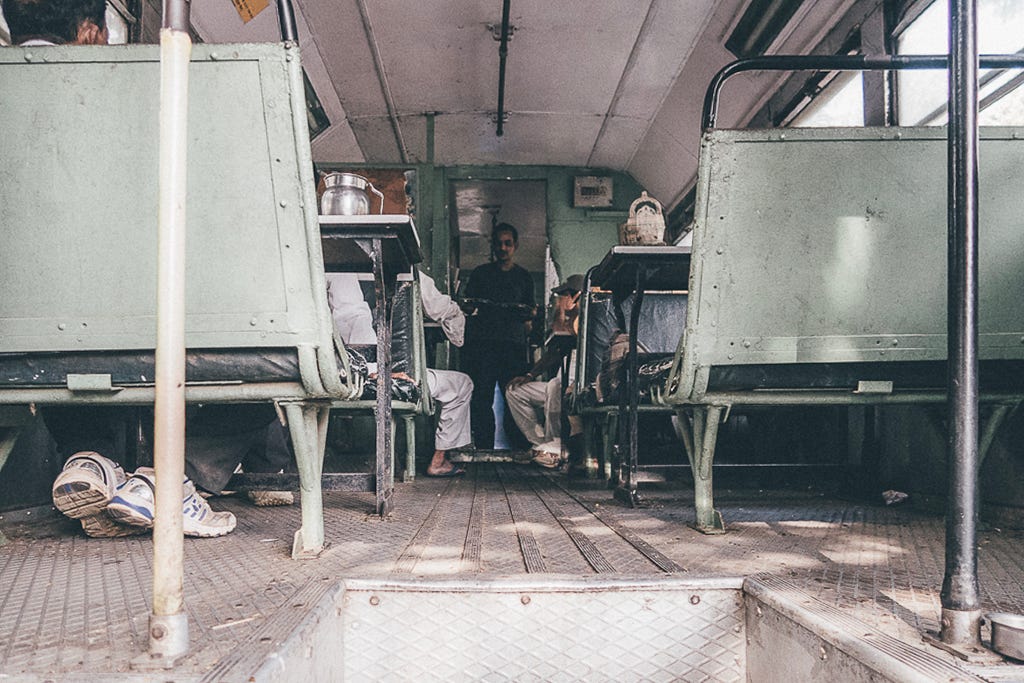


And finally, a few Kerala State Transport Buses.
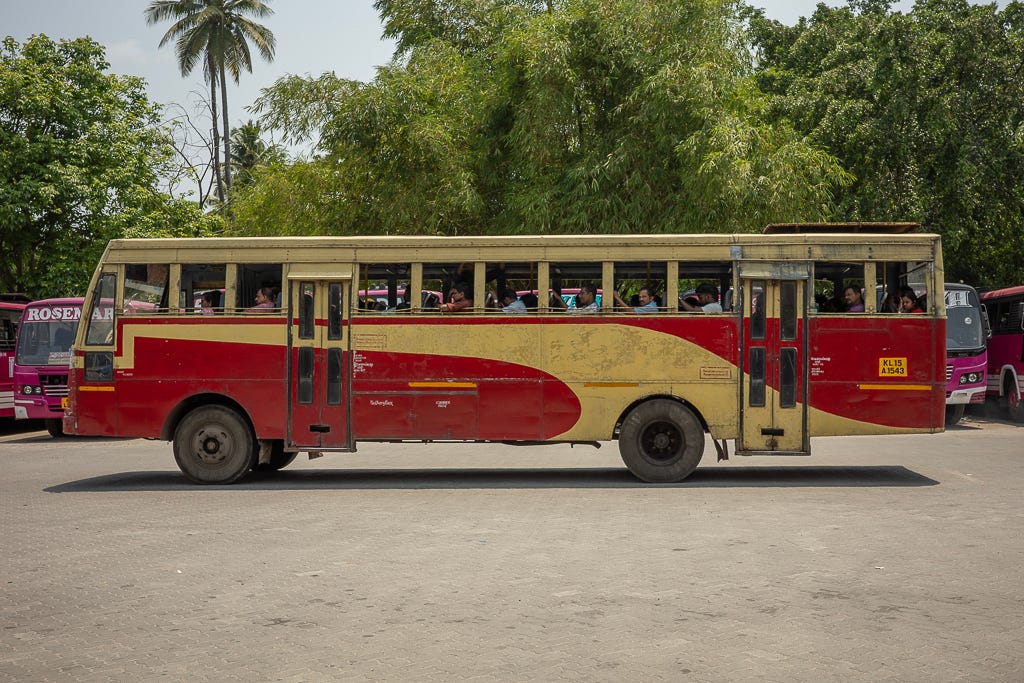
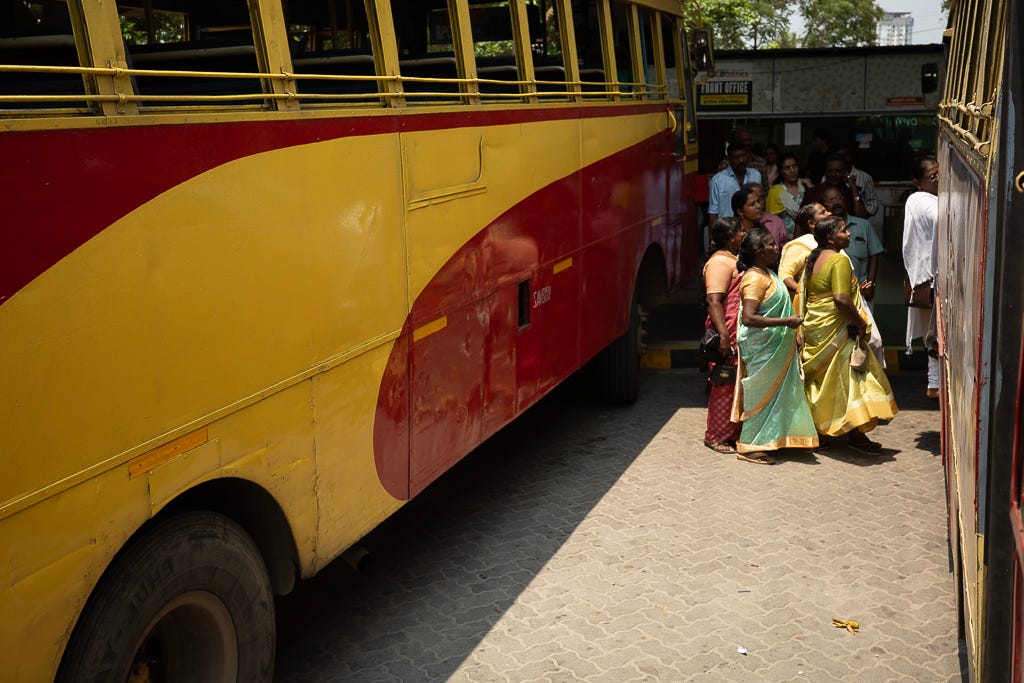
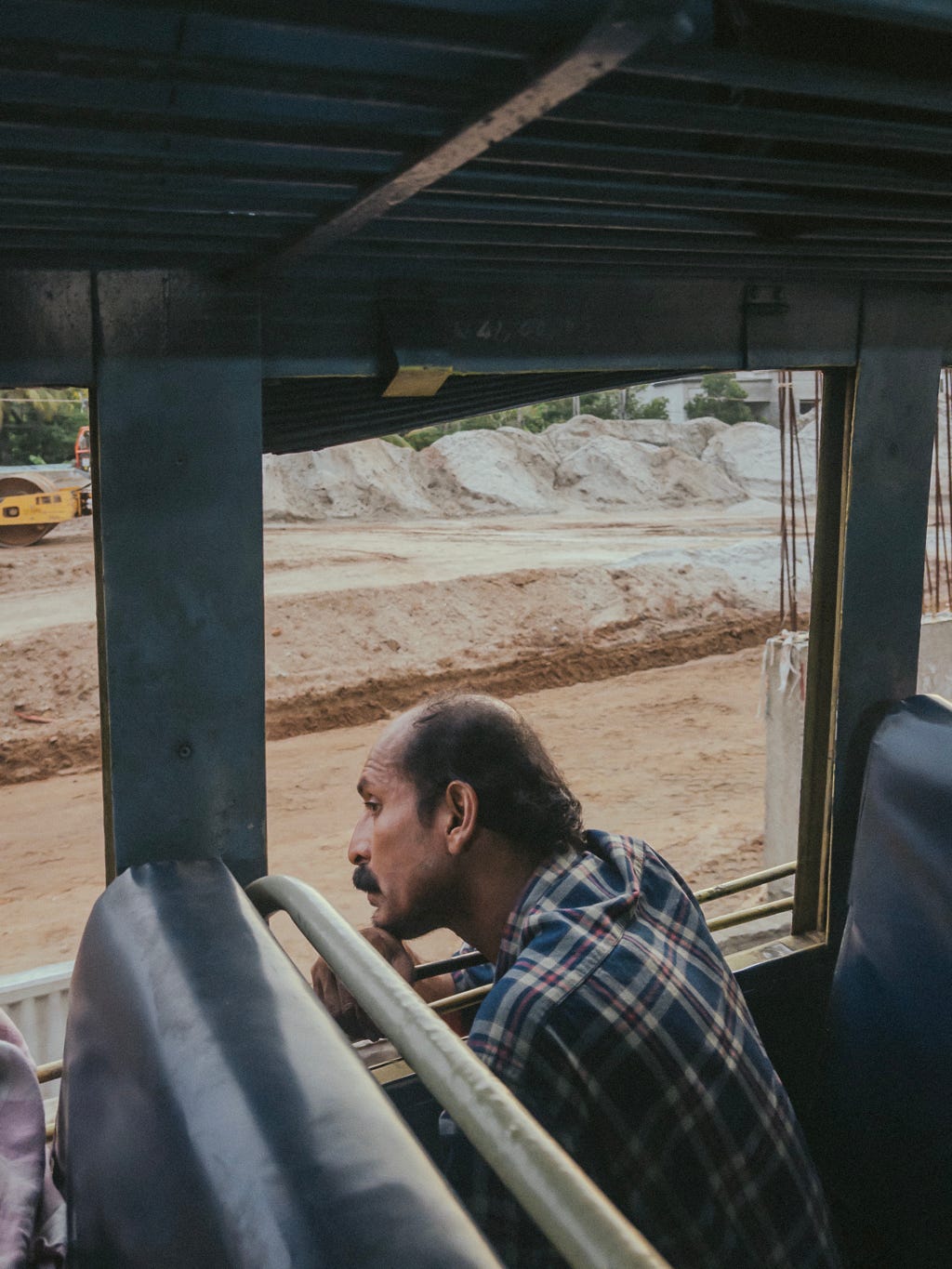


The bus stop of a small village up in the hills with rubber plantations serviced by jeeps and a few buses.


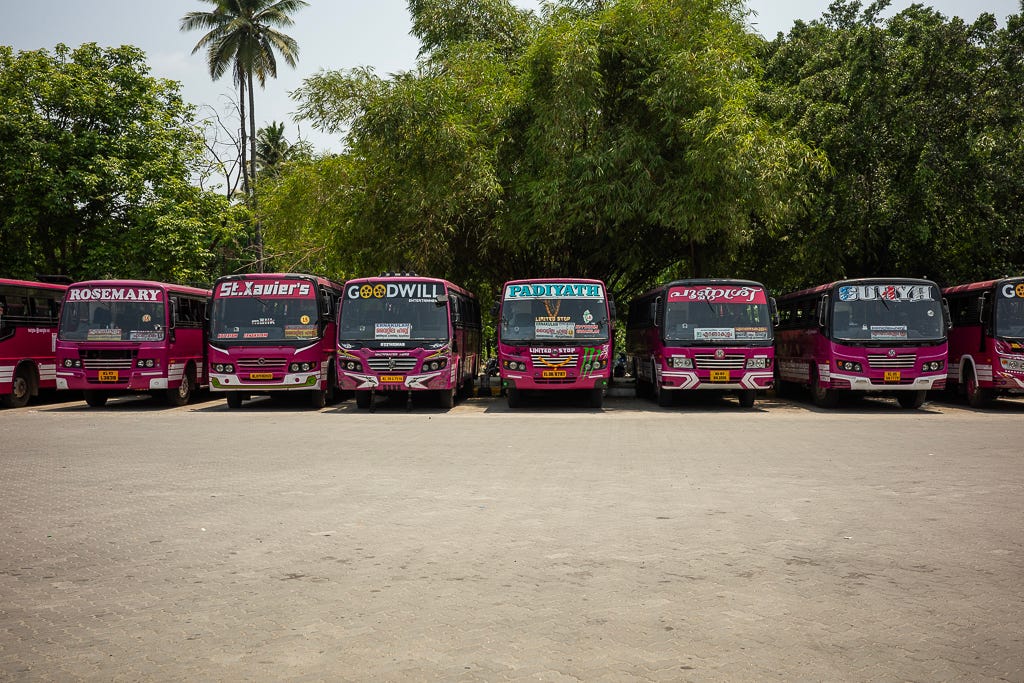
Mr Bussy McBusface.
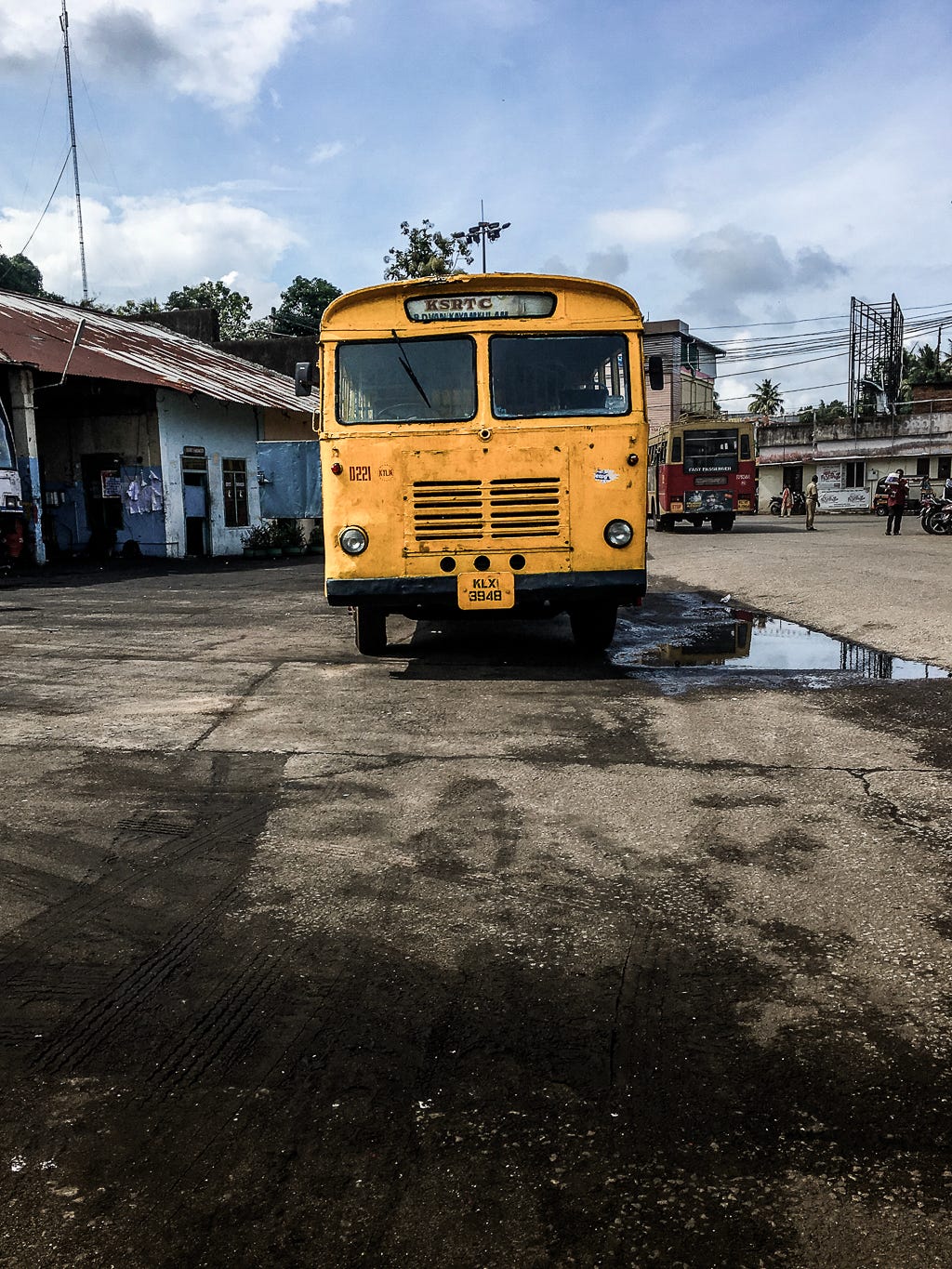
Kayamkulam Depot, KSRTC.
That’s all, Folks! Ting… Ting…
Amazing! I love the things you highlight.
I have a bittersweet memory of using government buses in Kerala. Between 8-10th standard, our family moved to Kollam, (Quilon) Kerala because of my dad’s job. I had to take 2 local buses to get to my school. The 2nd one was always on time and the conductor was a strict person. He would keep the bus well behaved. He would throw anyone out for bad behavior ruthlessly. We felt very safe.
But the first one was terrifying for my sister and I because there would be a probability of some men trying to touch or pinch us whenever they got a chance. We often chose to walk the extra 20 minutes rather than get harassed by them.
🙁