

Tell Stories, Live Longer.
A secret, happy ageing recipe gleaned from Venkat's Food Court by TN Venkatraman

My son used to sit for hours with older people, unbored, asking hundreds of questions, with a twinkle in his eyes. He preferred silver hair to children his age. Conversations that we, who are addicted to constant dopamine, would exit, he stayed. I began to notice something in those exchanges that I have since seen often: when older people are listened to properly and patiently, they come alive in a way that feels almost physiological.
It’s actually magical.
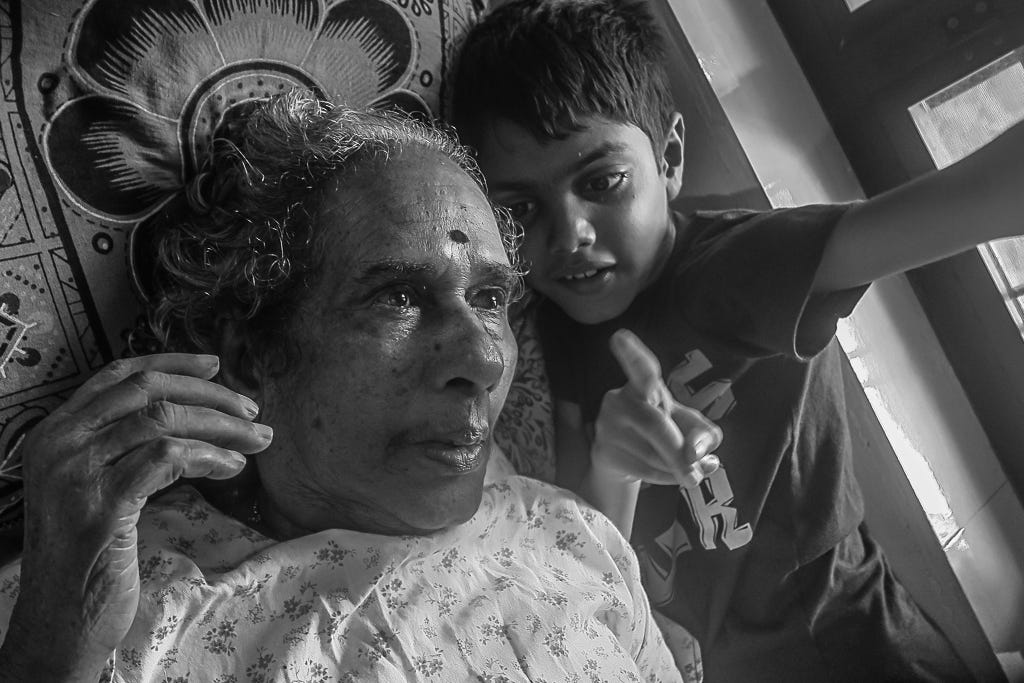
Stories do this. Not the facts of memory, but its telling. The act of retrieving bytes of data, arranging, often embellishing and offering an experience to a younger person seems to sharpen something, attention, recall, or a change in posture. I have seen it in my family, which has a median age similar to that of Japanese families. There are very few children left under eighteen, none I can think of under twelve. Most hover above 50; many well past sixty. In that tilt, you begin to see patterns. The ones who tell stories often, and to willing listeners, seem to carry their years differently.
I don’t have clinical proof for this. But I have repetition. And repetition, observed closely enough, begins to feel like a kind of knowledge.
Recently, this intuition found a tangible form.
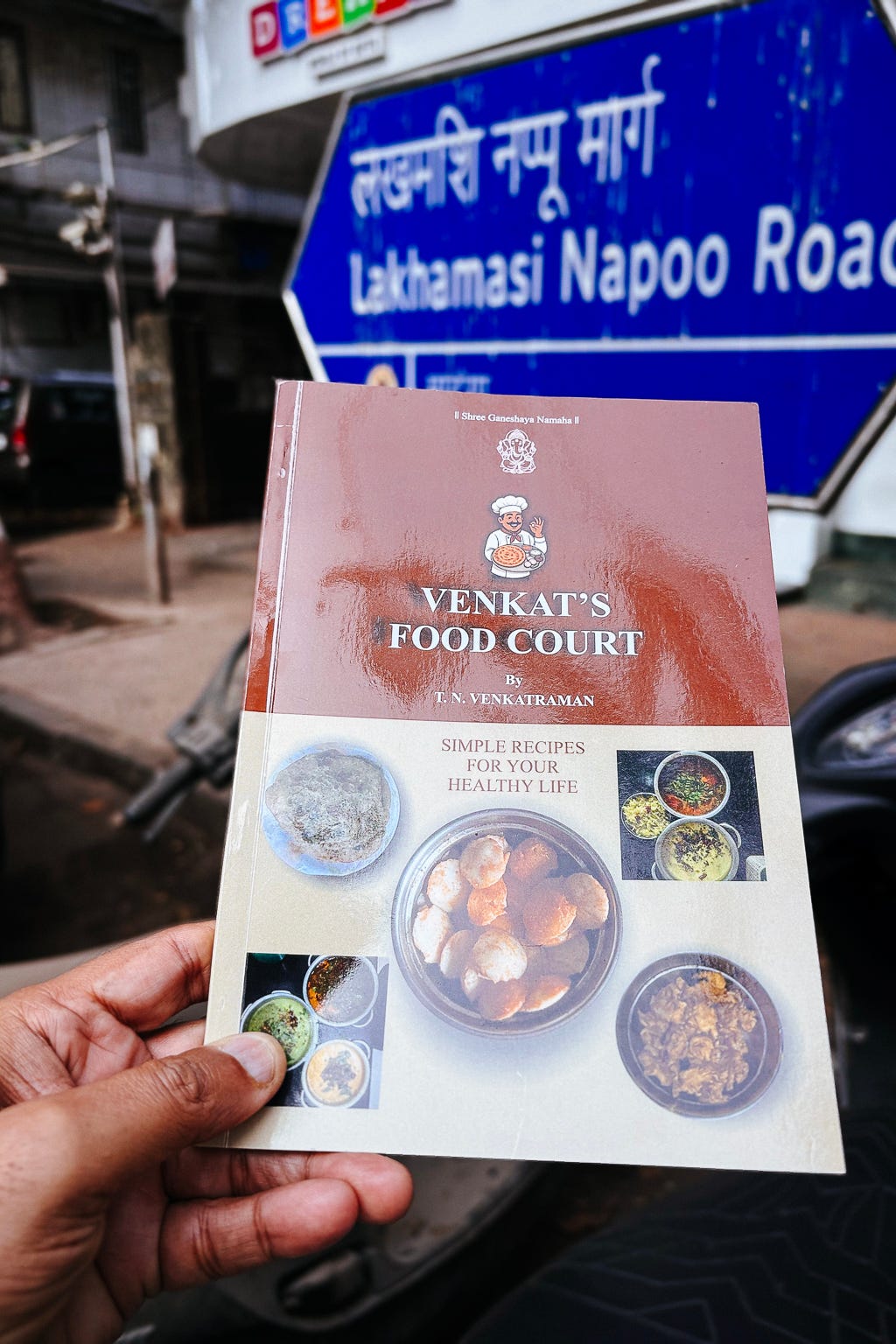
Venkat’s Food Court - Simple Recipes For Your Healthy Life
by TN Venkatraman.
The book came to me through a college friend, Sunita, now based in Canberra. An accomplished chef and former restaurateur. The book was written by her father, T.N. Venkatraman, now in his eighties, proudly retired from corporate life, now living a retired life in that old pensioner’s paradise of East Bangalore. It is, on the surface, a recipe book, a remembered reconstruction of his mother’s cooking in Kerala’s Palakkad Tamil tradition, the kind you still encounter in a few dishes at the original Mani’s in Matunga.
But the recipes are not the point of this week’s photo essay.
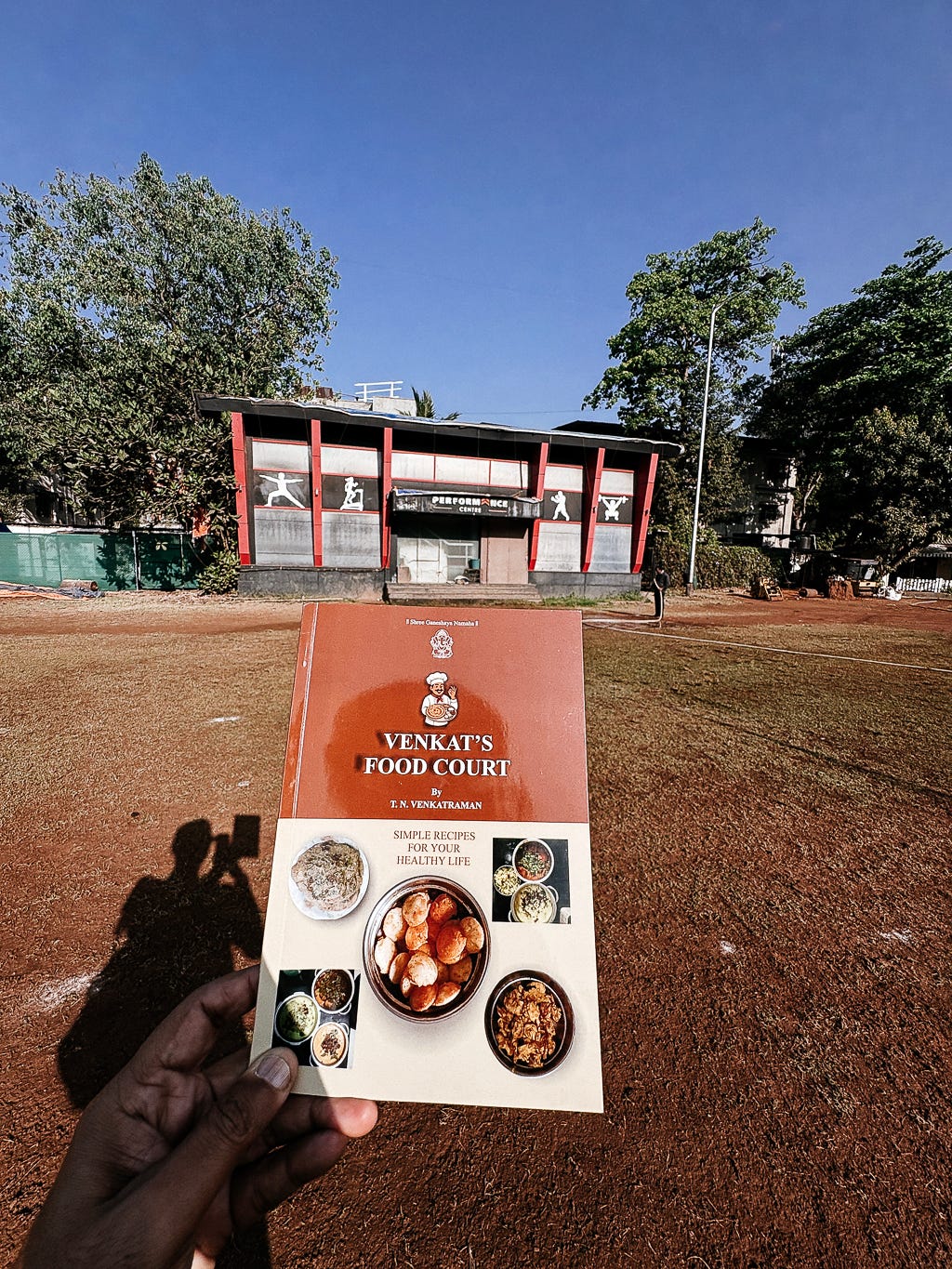
In those opening pages, another life unfolds. I also learnt from Sunita that Venkatraman was born in Matunga before the formation of the Indian Union. In the late 1950s and early 60s, he captained the Maharashtra weightlifting team for four years. It was his father, in 1941, who had founded Modern Health Home, a gym at the Matunga Gymkhana grounds, opposite Ruia College. Was it a war years thing? After his father’s early death in 1944, the institution passed into other hands and, over time, into history. It exists now in a different form: updated and rebranded.
But in the book, it returns. Not as nostalgia, but as continuity.
Venkatraman has written other books as well. They are self-published accounts of memory, learning, and experience. I am guessing that there is something deliberate about this act. To write, to organise, to publish, especially at that age, is not merely to document a life. It is to extend something precious. To remain in circulation. Leave behind a positive world that looks to the past through a mythological lens.
Self-publishing is not vanity. It is a kind of metabolism.
Forcing engagement with one’s own past, exercising language, engaging with readers, however few. It requires remembering, fact-checking, meeting people, sharing copies, and speaking about what one has made. It creates occasions for conversation. And conversation, in turn, creates more story.
A beautiful loop.
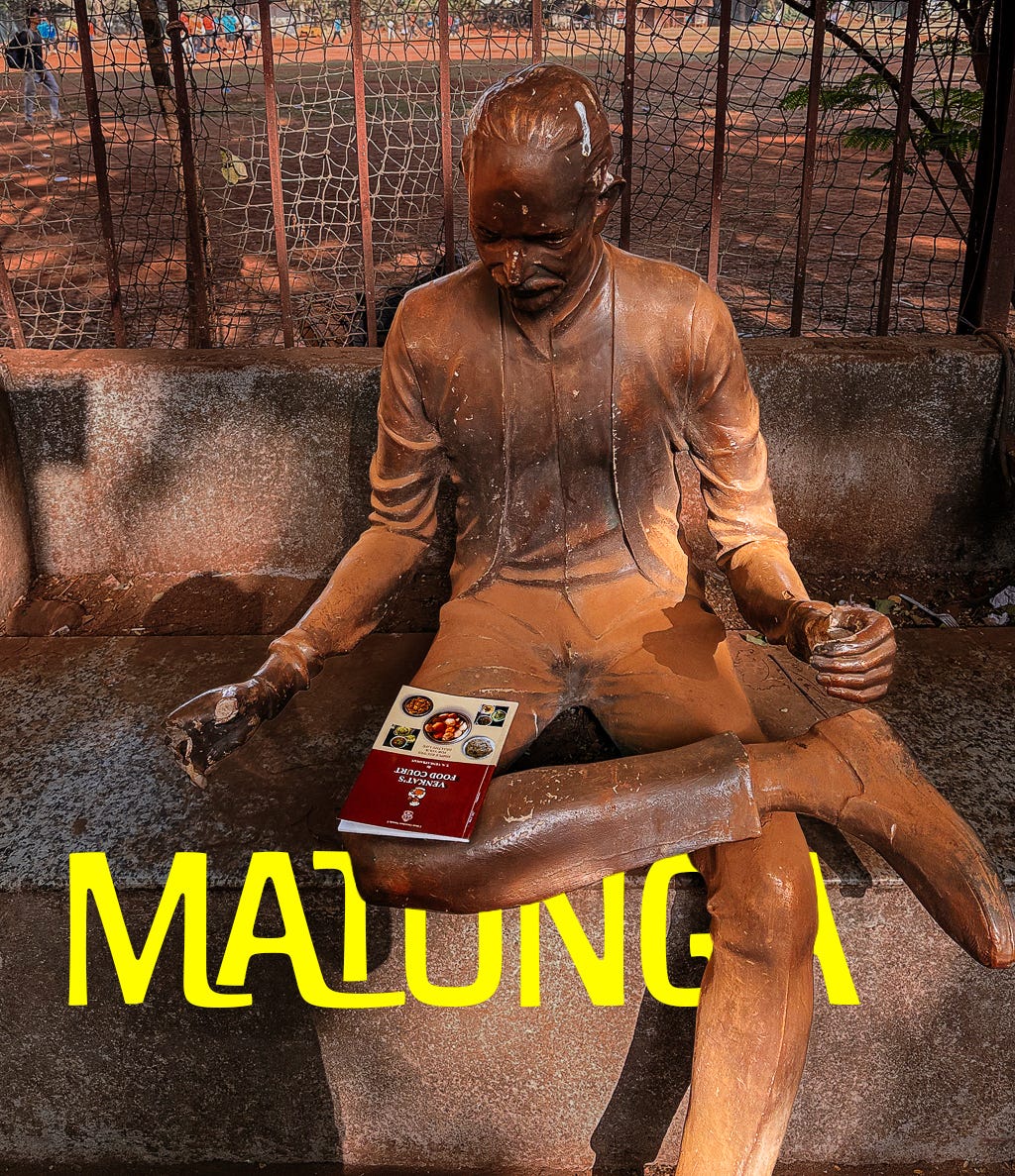
One Sunday morning, wishing to see if Modern Health Home still stands, I took the book to Matunga. To stand, if possible, where the old gym once stood. To photograph the book in that space. A way of returning memory to the location. Perhaps even sending those images back to him.
Ignite new book ideas for him.
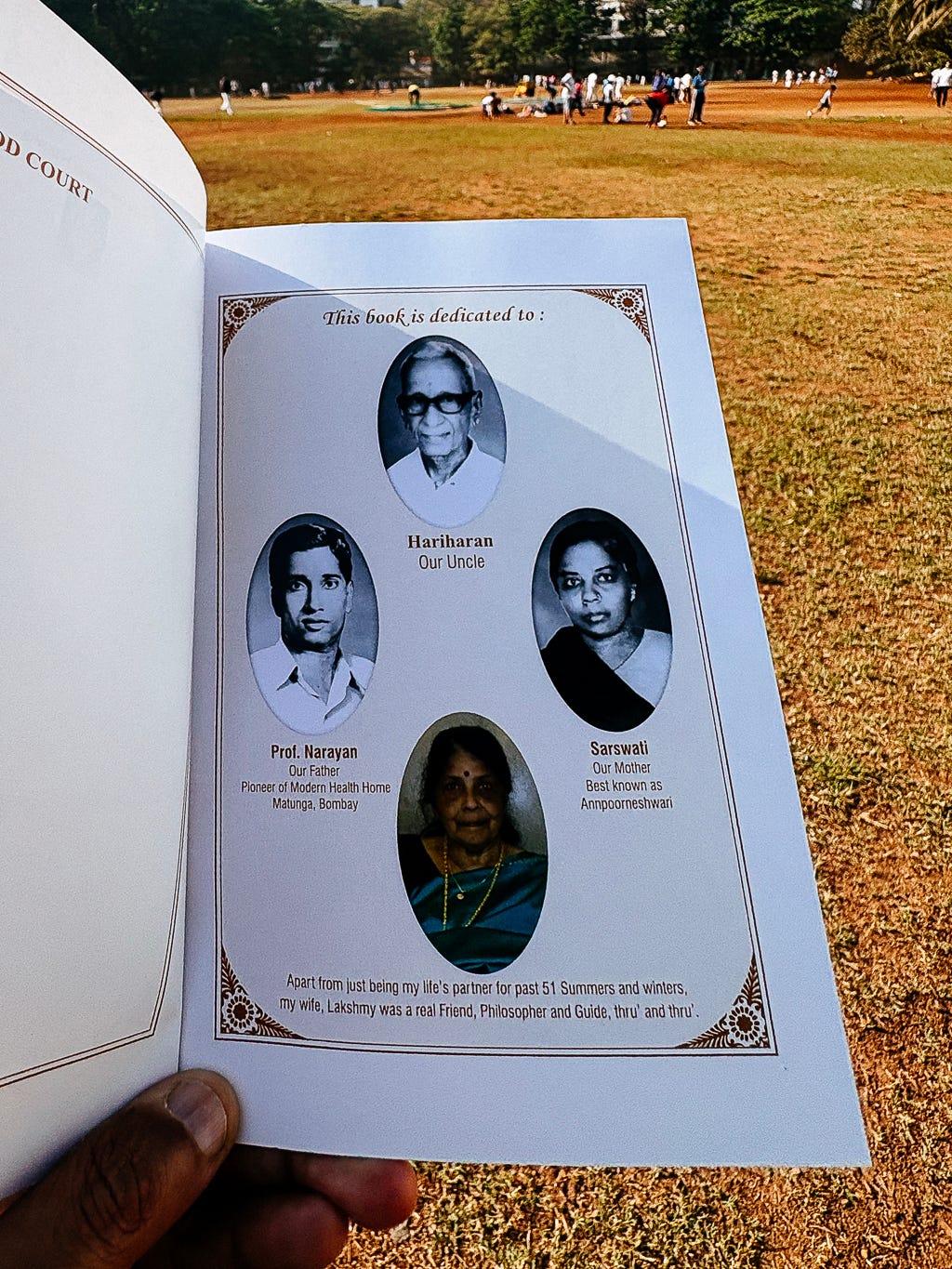
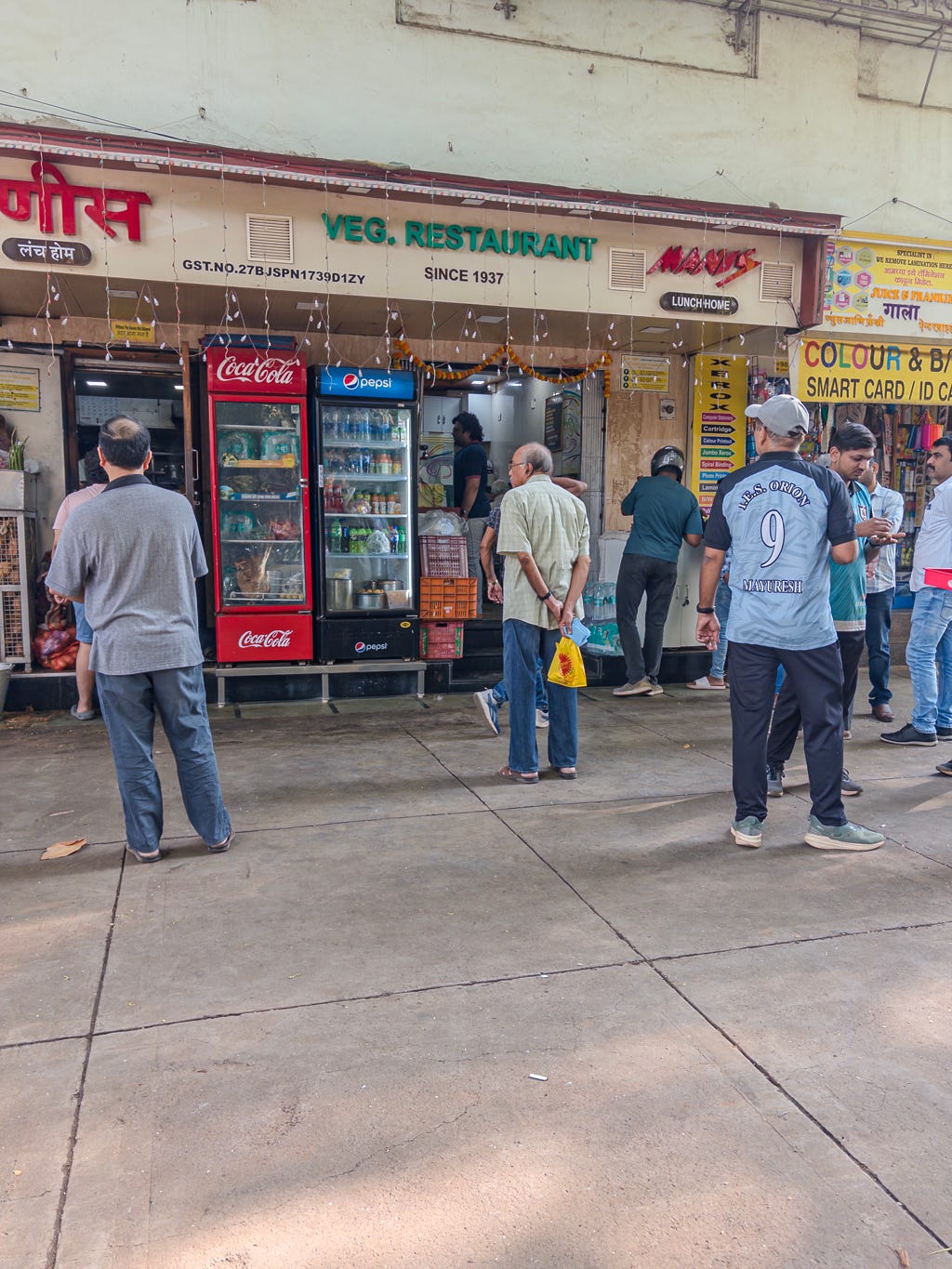
Imagine taking pictures and telling stories not for preservation, but for reactivation. A story told once is memory. A story told again, to someone new, is life continuing.
If that is true, longevity may not be only a question of food, support, medicine, or movement, but also of narrative. Of whether one’s stories are still in motion. Of whether there is someone, somewhere, willing to listen.
And whether we are willing, in turn, to keep telling. To tell stories, blog, meet people, and self-publish, then, is not just to leave something behind. It is to stay.
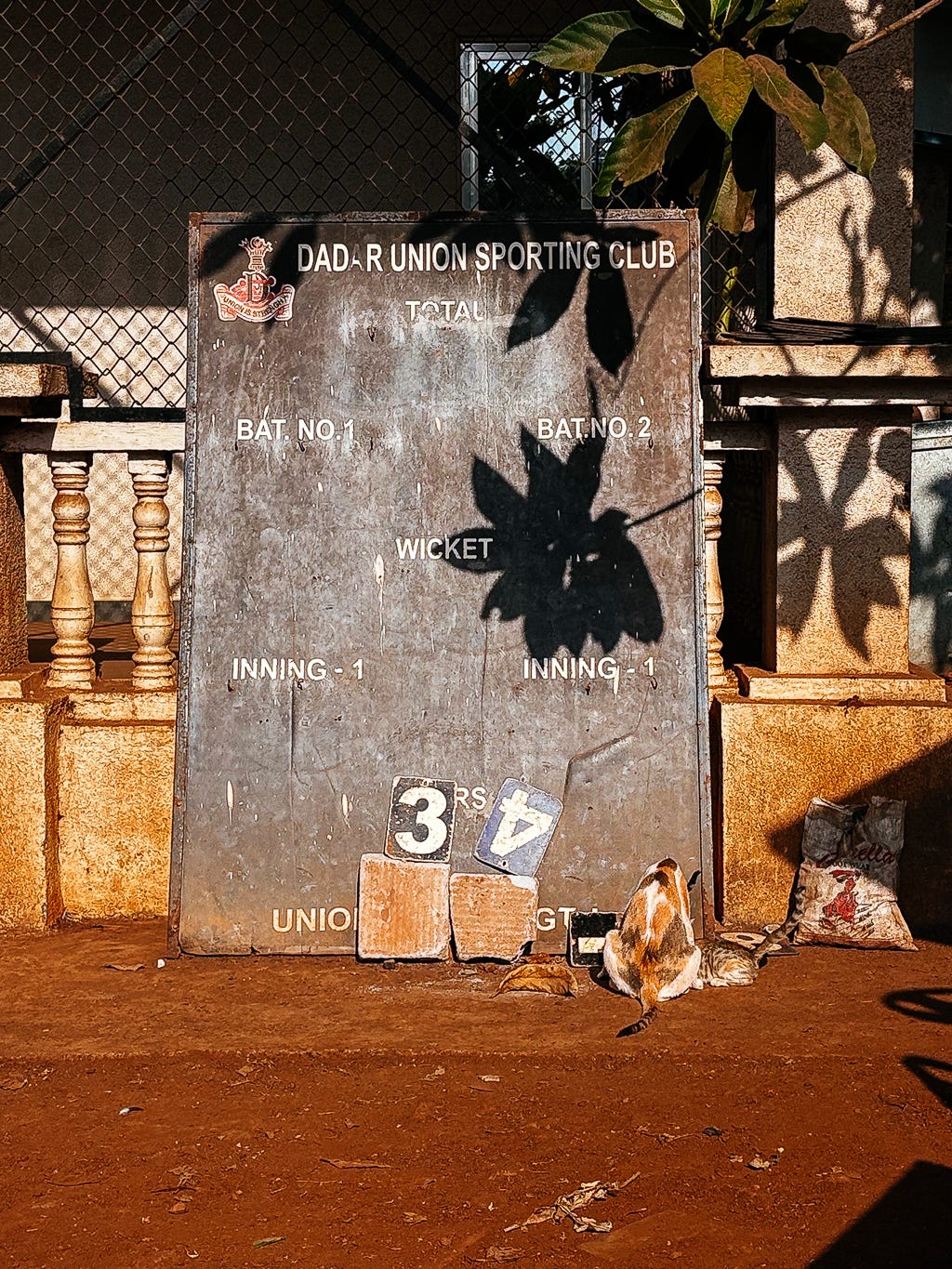
Never let the dust settle for as long as you can.
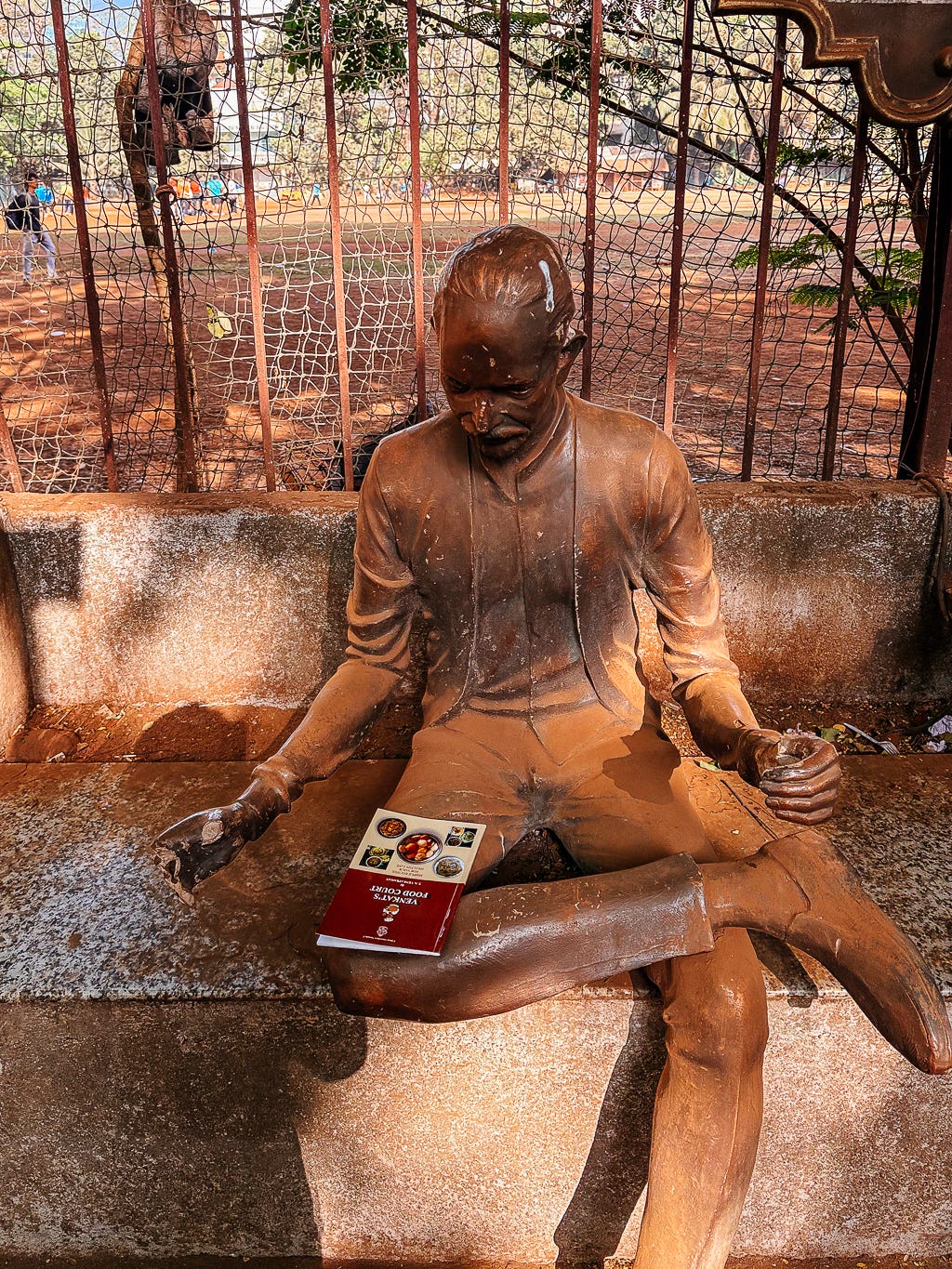
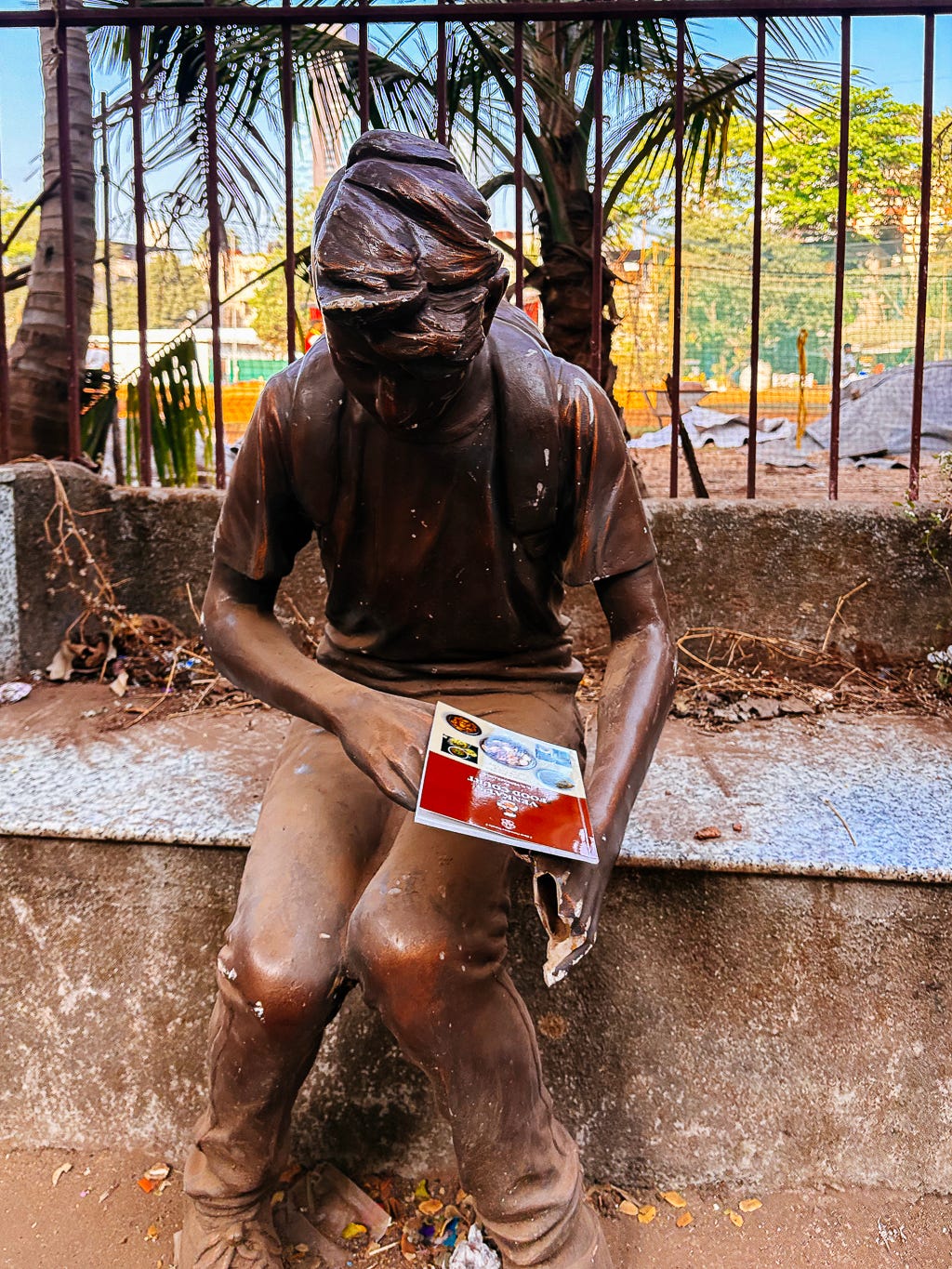
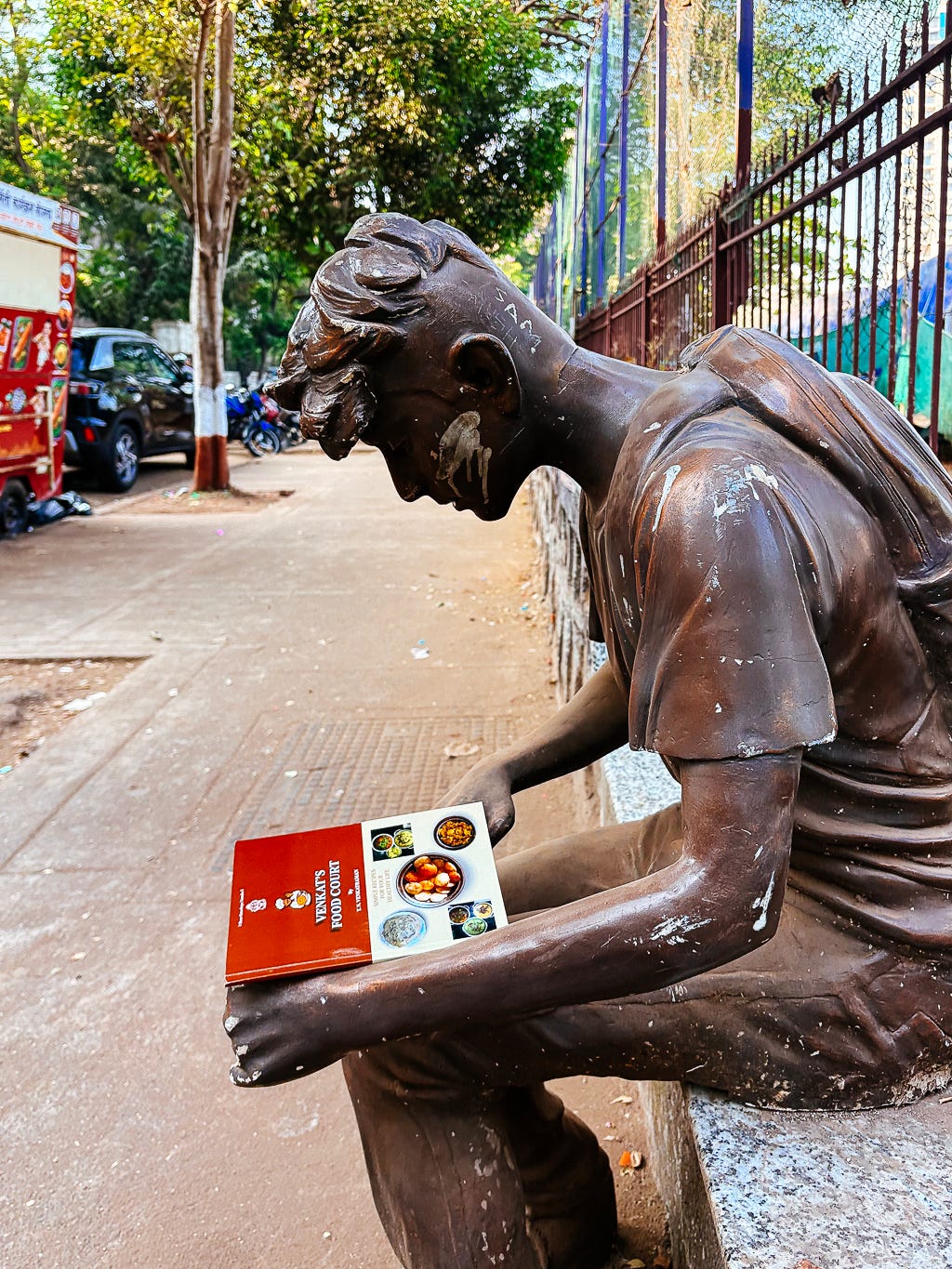
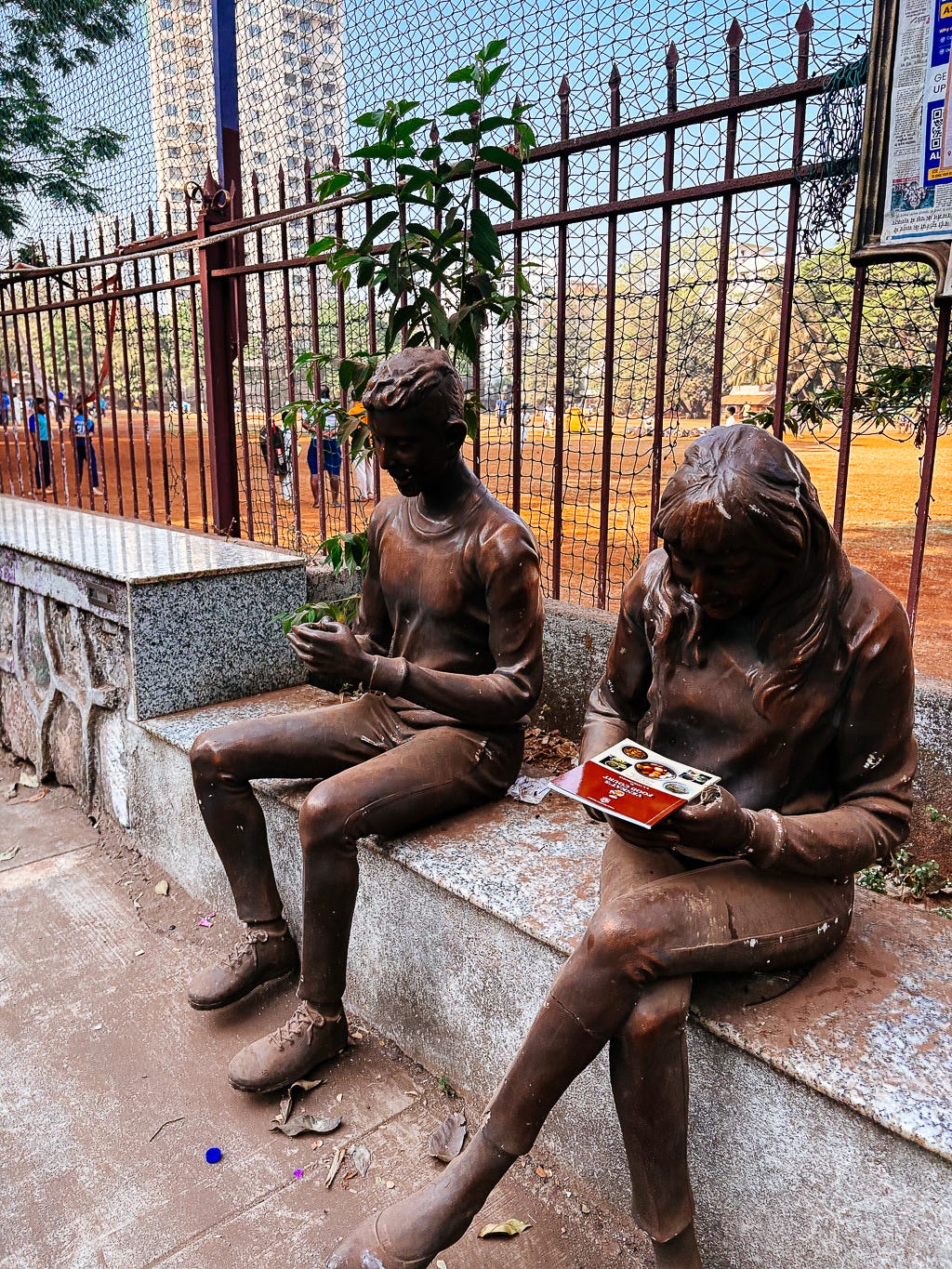
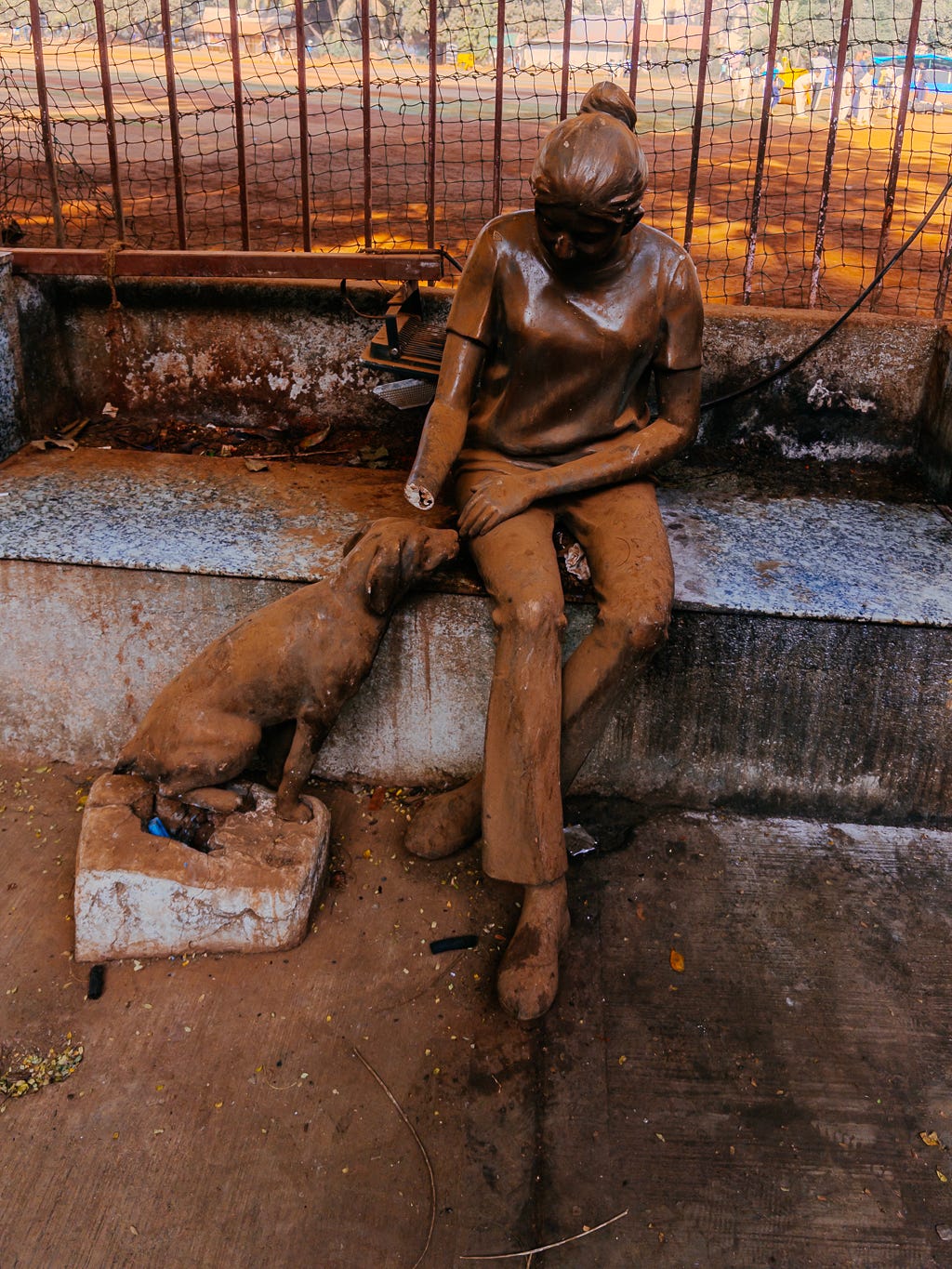
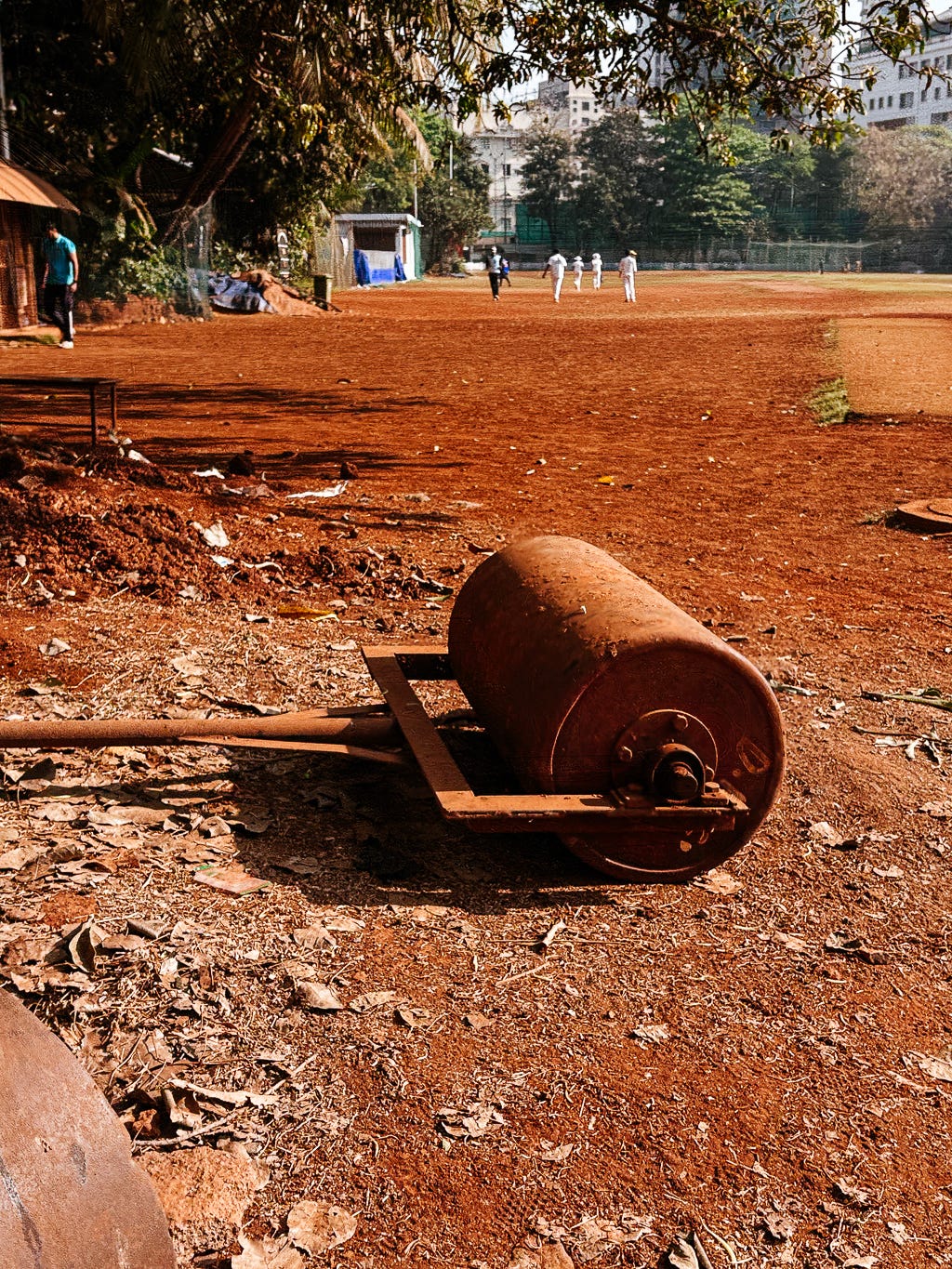
For a city that is at war with open spaces, the ground in Matunga CR has aged gracefully. A sunday morning is a great time to visit the place.
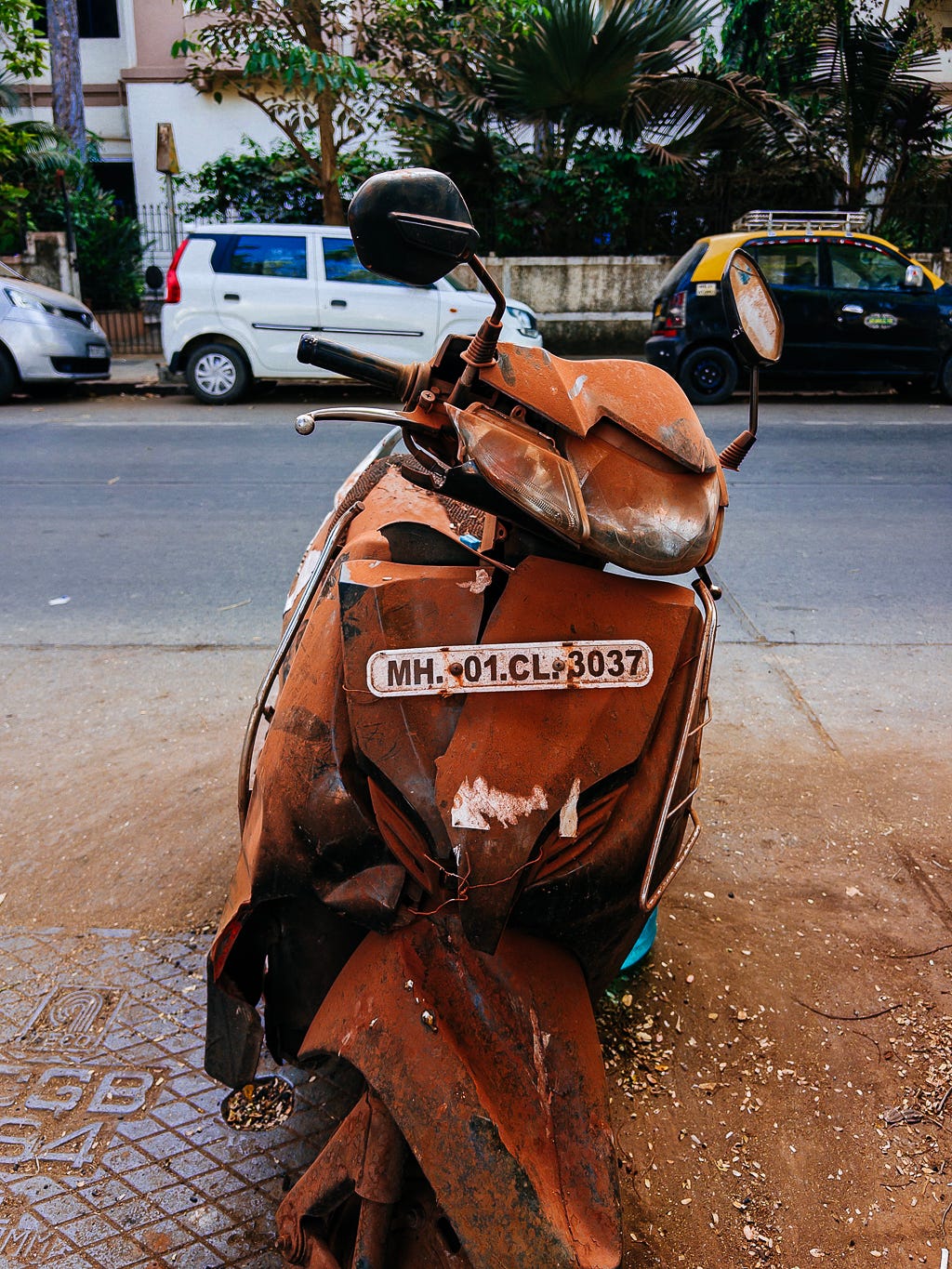
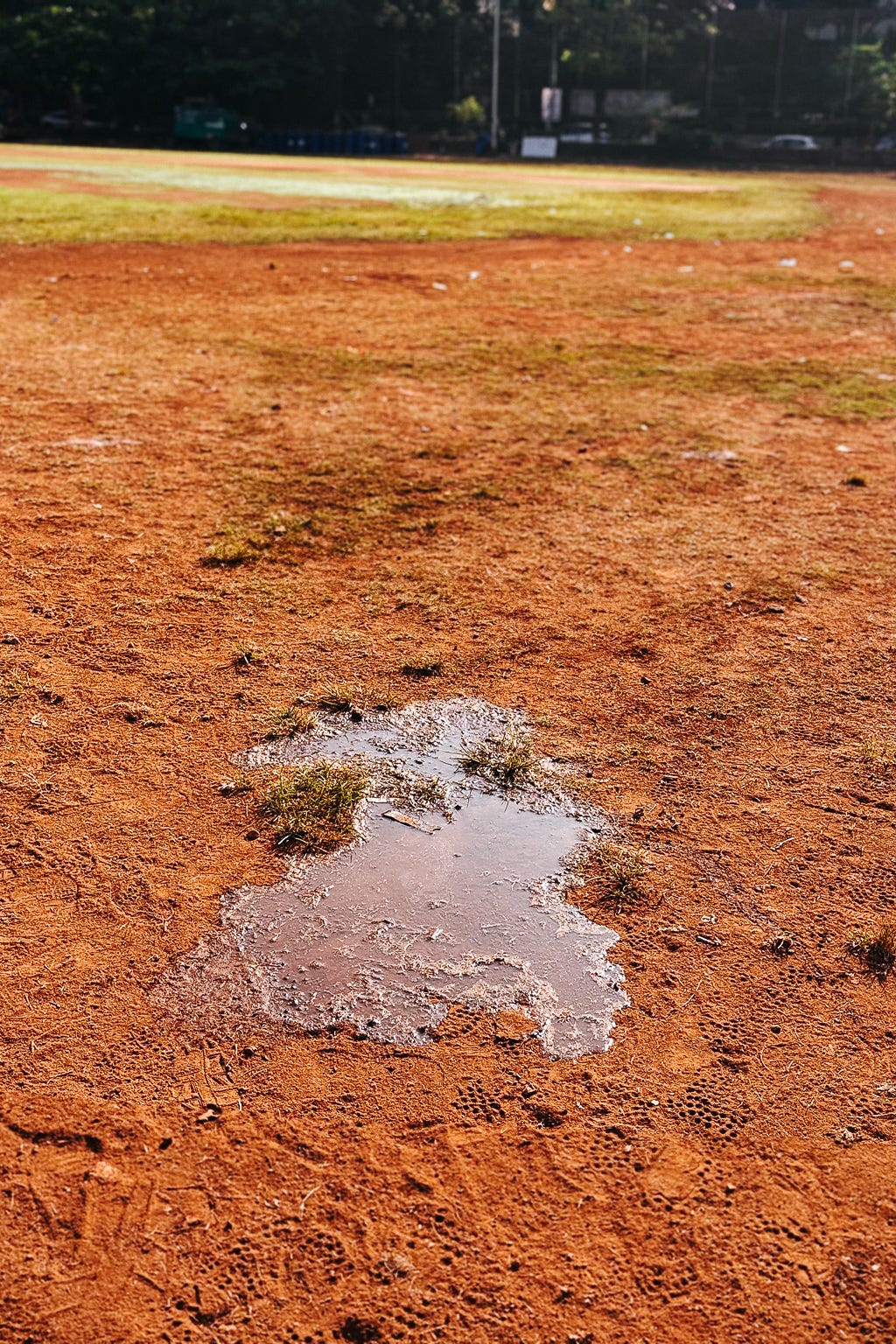
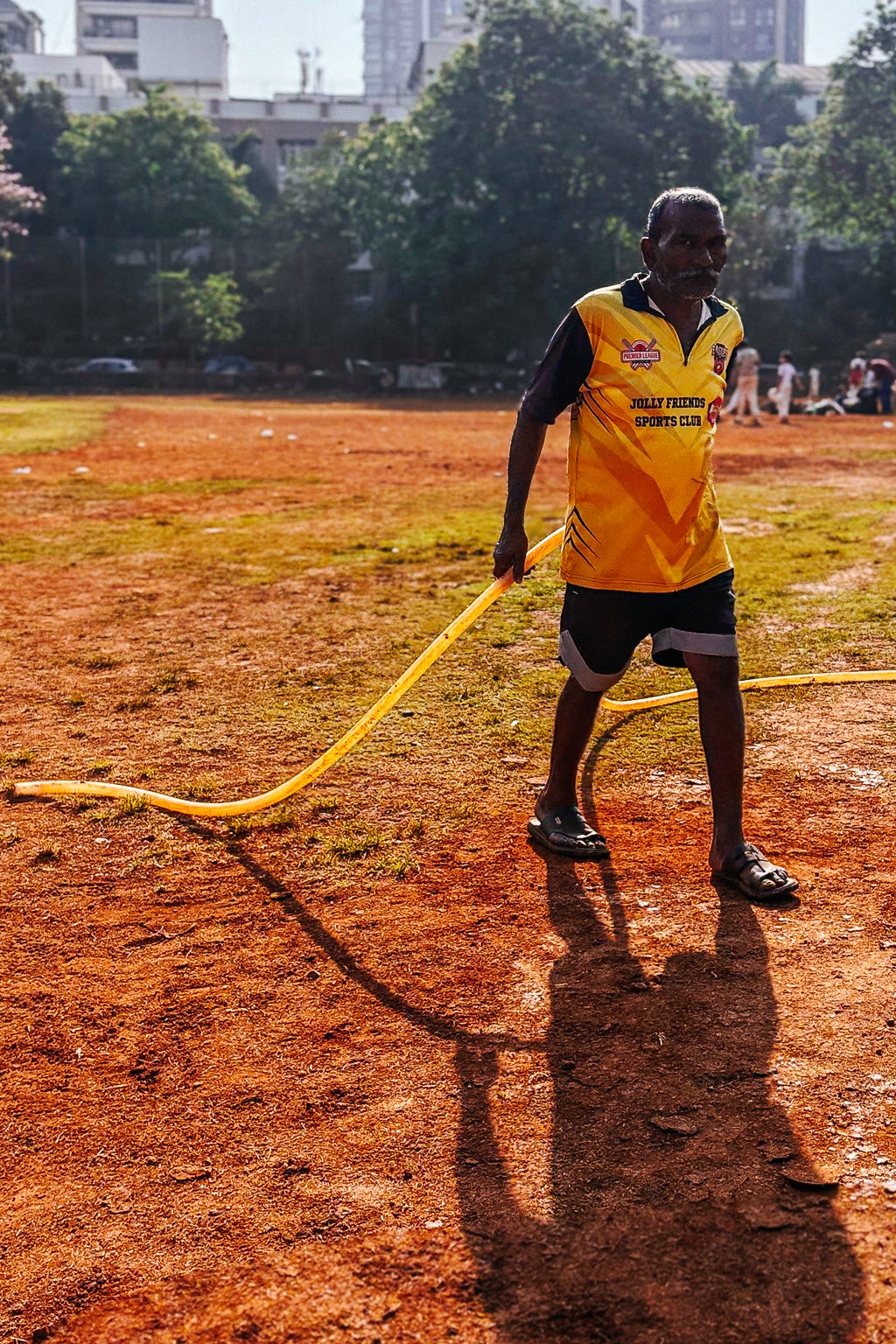
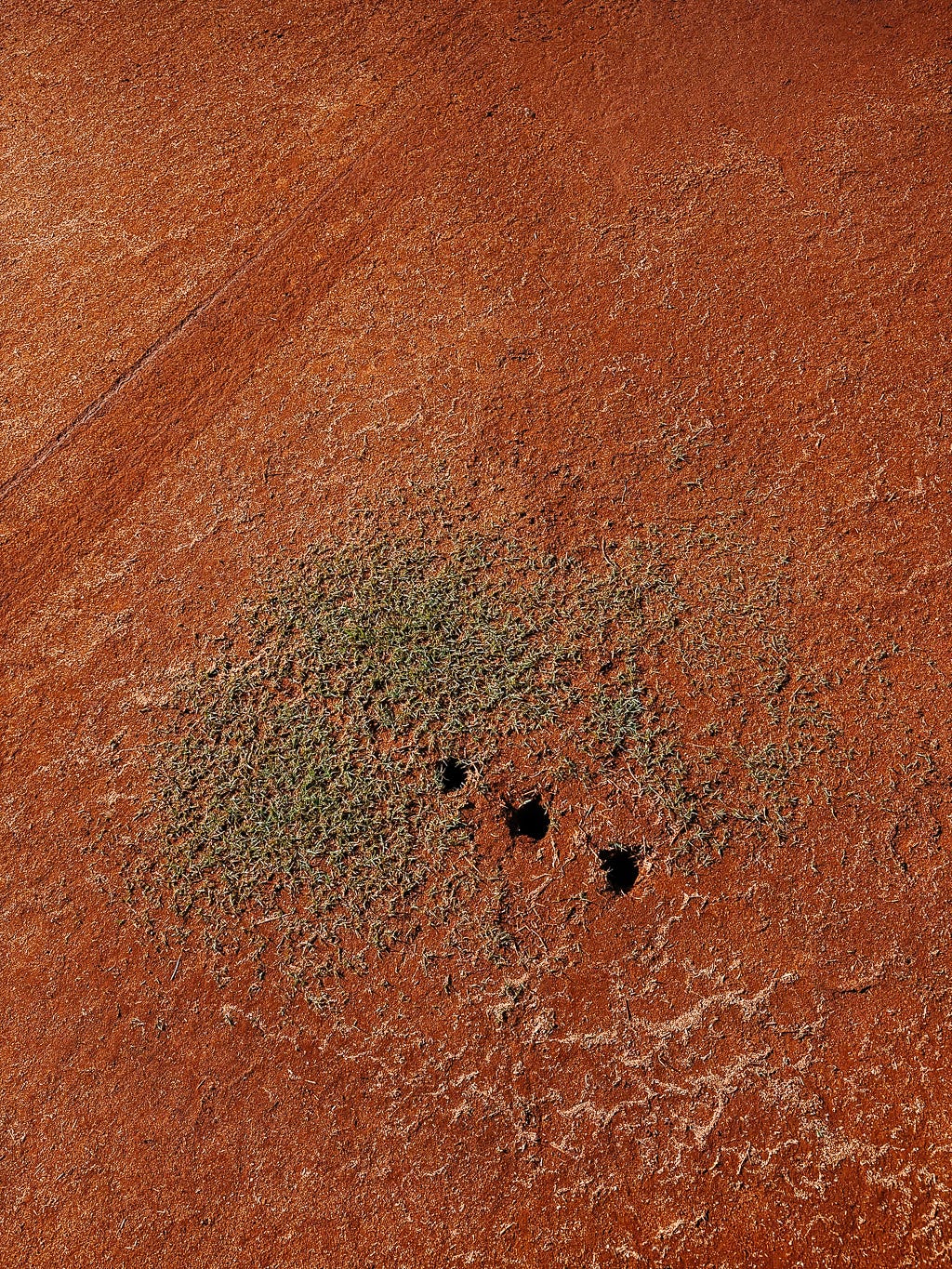
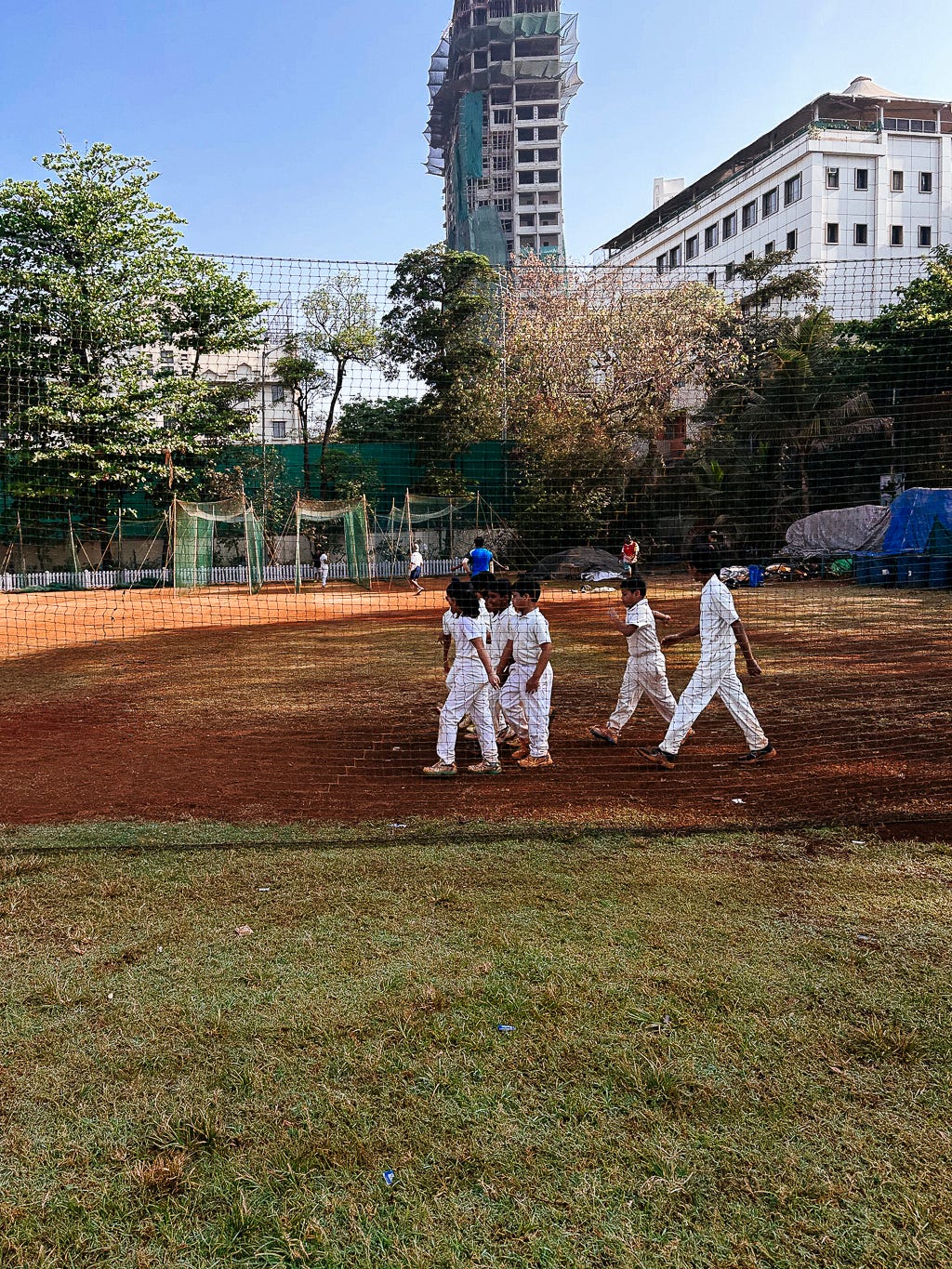
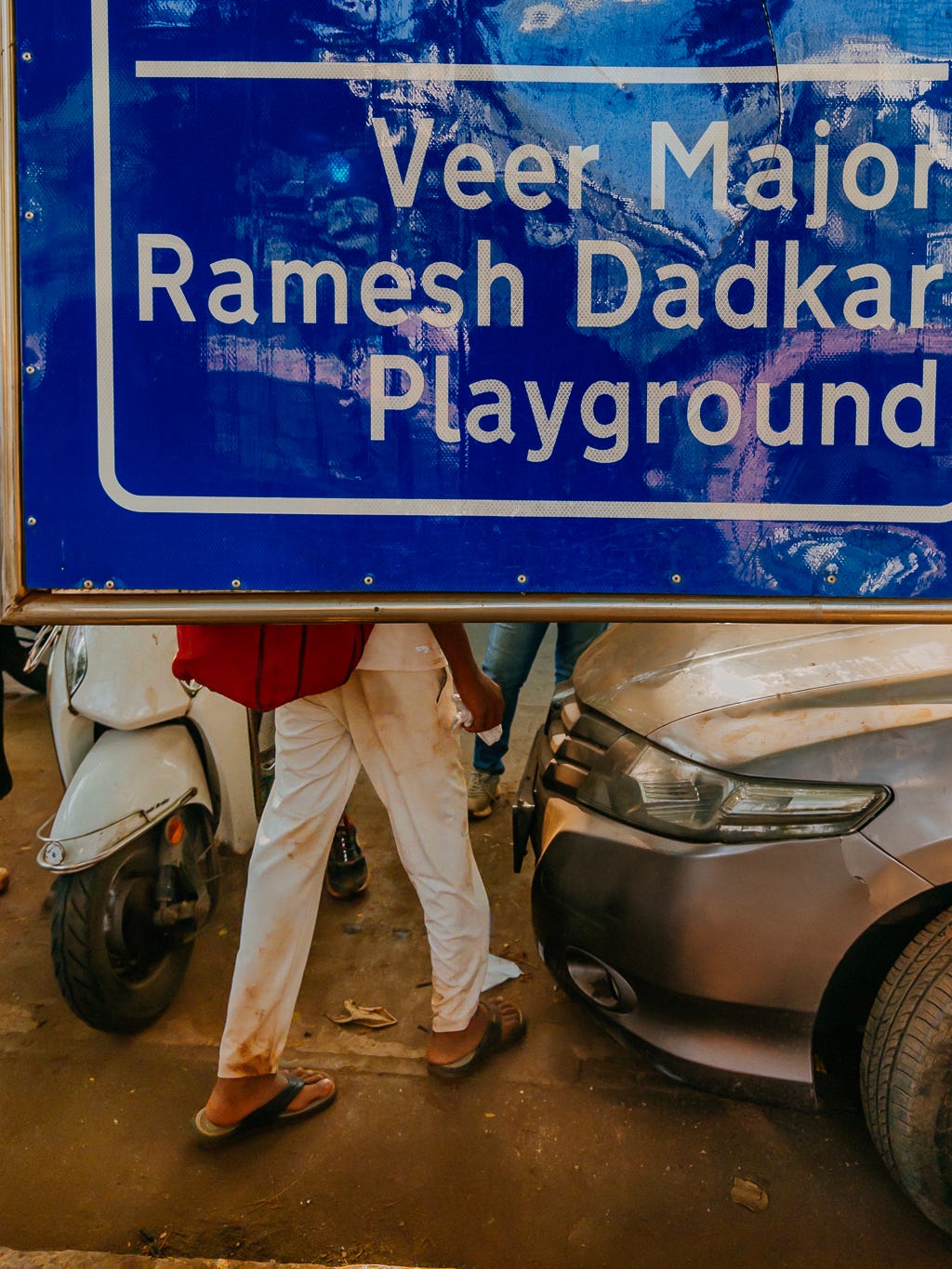
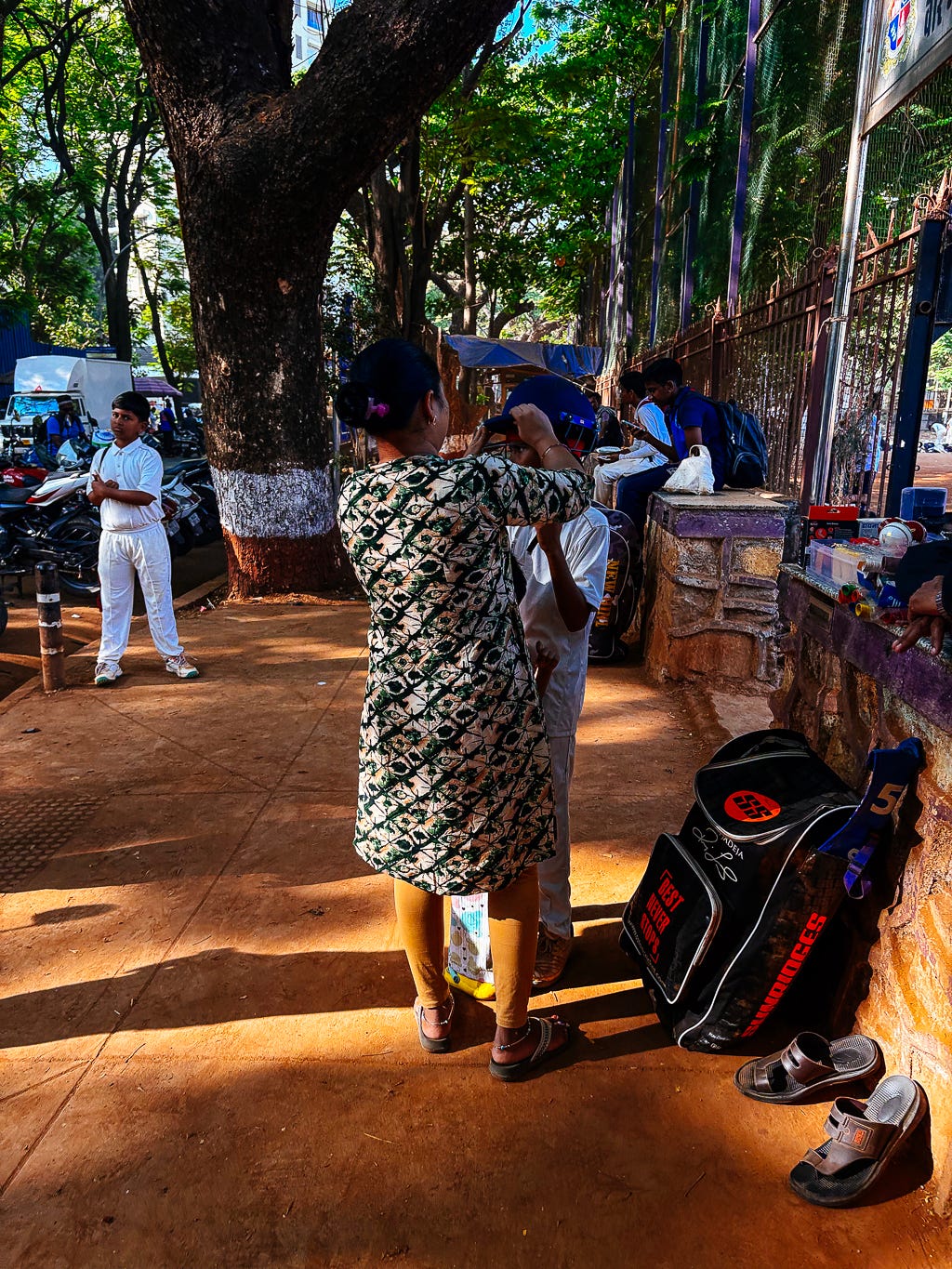
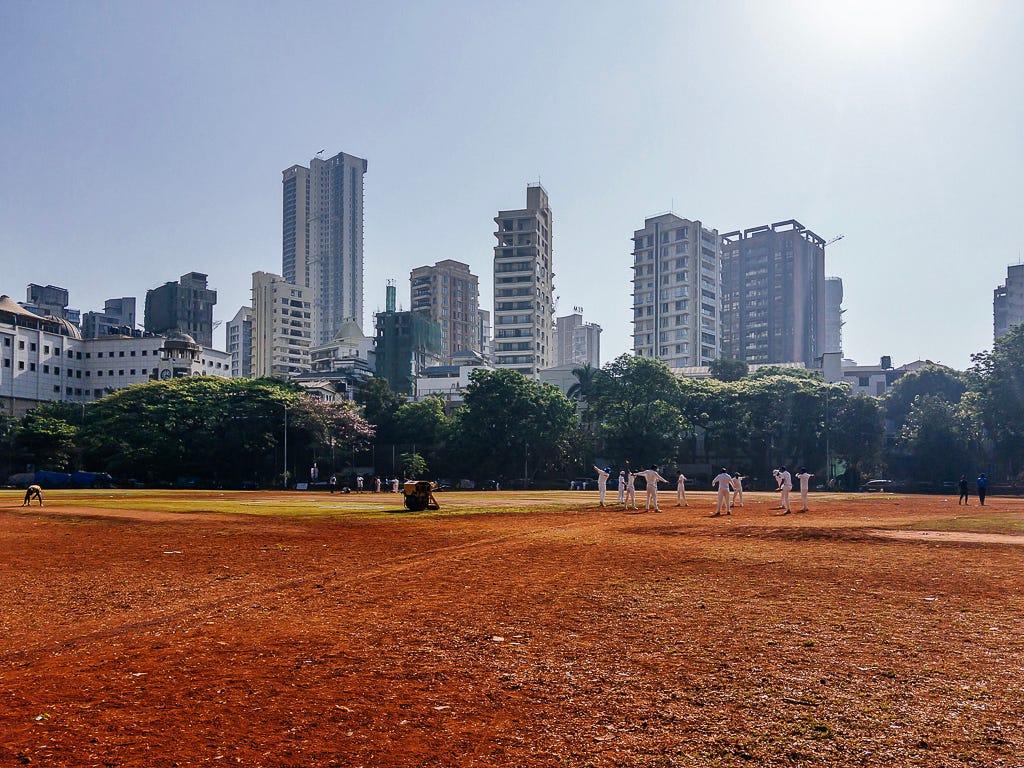
That’s all, folks.
Want a copy of his books?
Contact 99723 45015.
Being a caregiver to my 92 year old mother i can reaffirm that "...longevity (is) not only a question of food, support, medicine, or movement, but also of narrative. Of whether one’s stories are still in motion. Of whether there is someone, somewhere, willing to listen. And whether we are willing, in turn, to keep telling. To tell stories .... is not just to leave something behind ... It is to stay." That's what Ma is, telling stories from her unending stories, wandering in a strong room called memory... despite what the doctors say is dementia. She wanders from Jhang to Lahore to Rohtak to Patna, Dhanbad and Delhi - each night at a different station of her life - from her school and Ustads to her teacher's training college, to the school where she taught - endless stories for anyone ready to give her an ear. Venkat did well to publish it. You have added the zing by bringing alive the memory pointers. Ma's and Venkat's stories are here to stay - for you are another repository where a copy of those are stored. Thanks for bringing Venkat closer.
Reading your words reminded me of my grandad, before sleeping he used to tell me stories, and I used to tell him about my days.
Wish I had asked him more questions about himself.
He was an awesome storyteller💕