Future Beach
See the shape of things to come

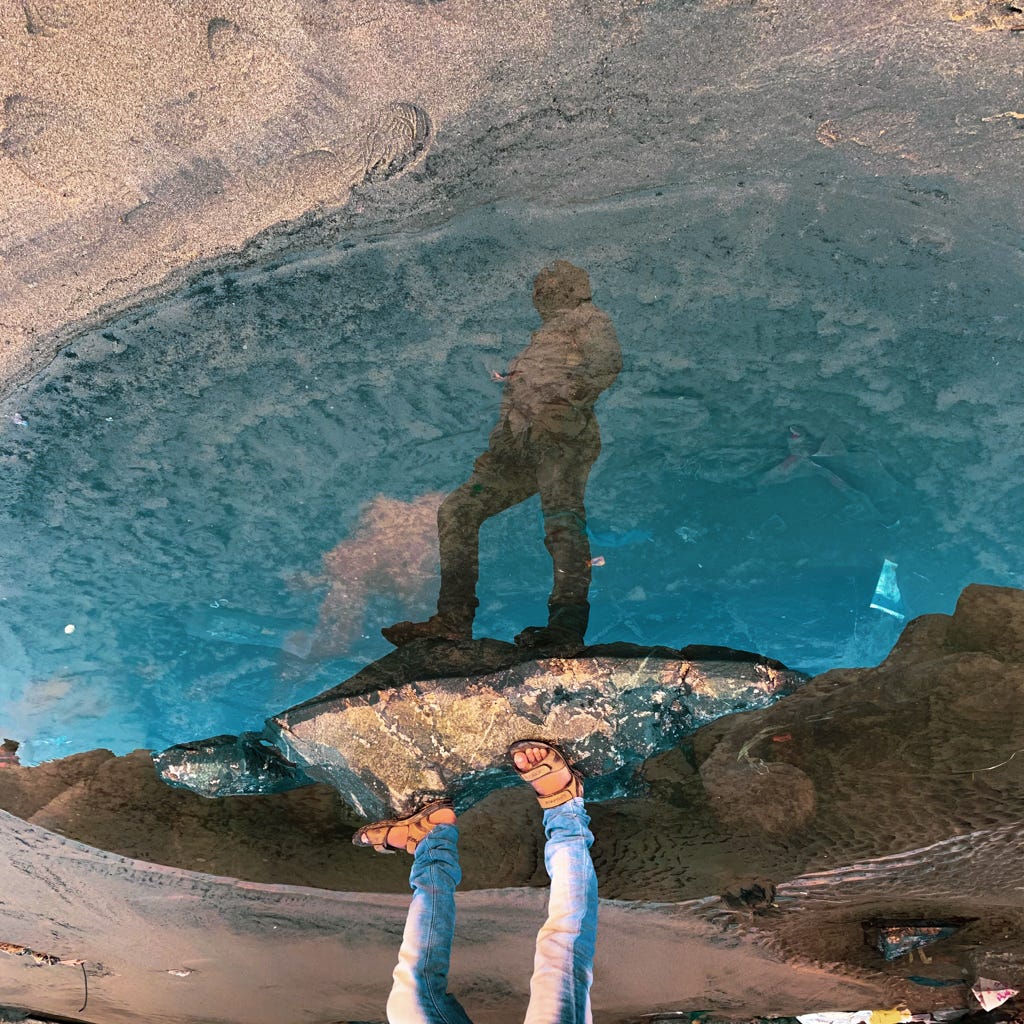
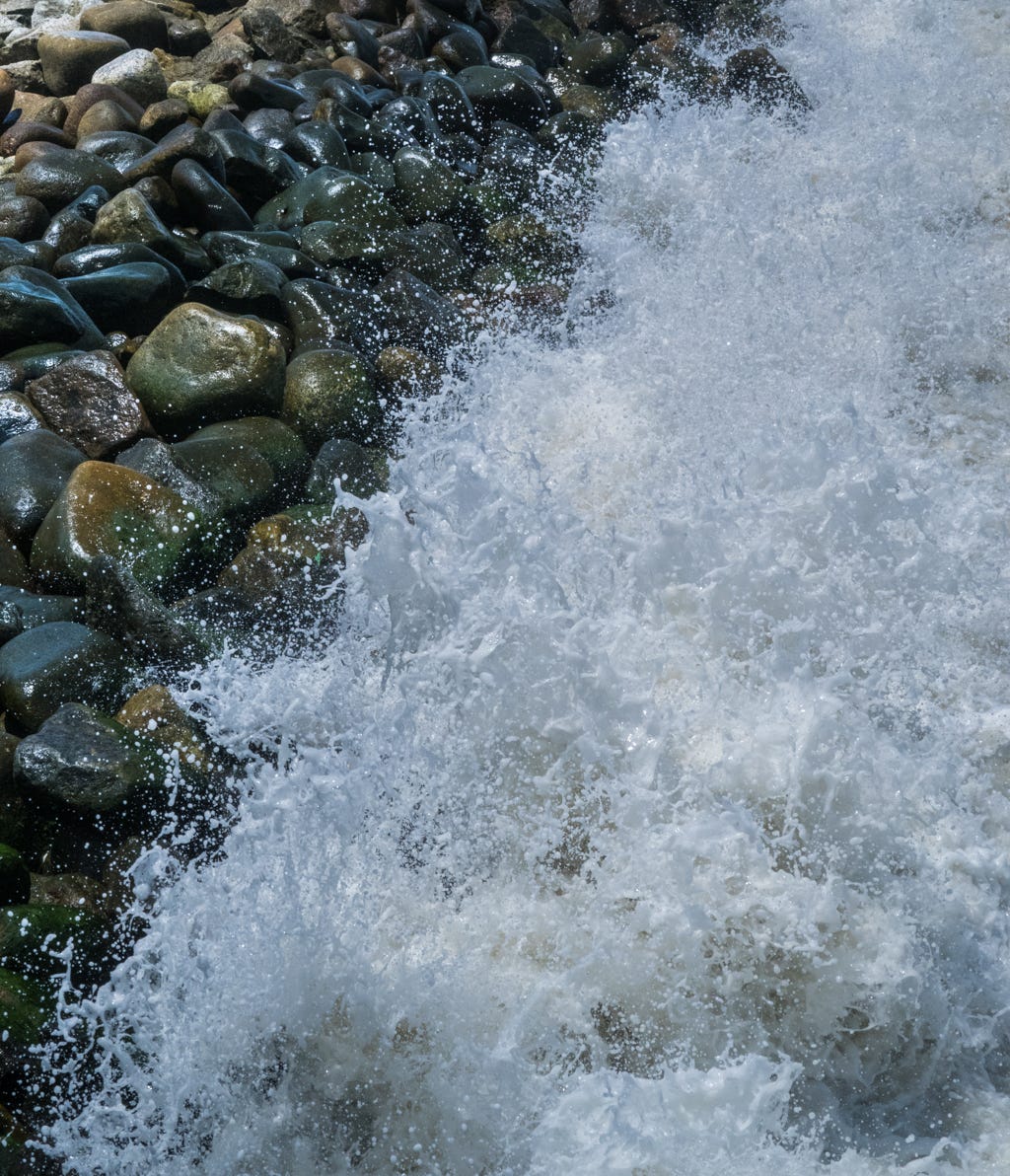
If we learn how to look, the intertidal zone is one of the most interesting places to observe marine life. Look up, around, and hold a mirror to ourselves, by which I mean our human activities, and we can easily see how our activities are changing the coastline. For example, miles of the Indian coastline are being walled up. If it is not the rising sea level, it’s our selfish activities. It’s almost always a combination of the two.
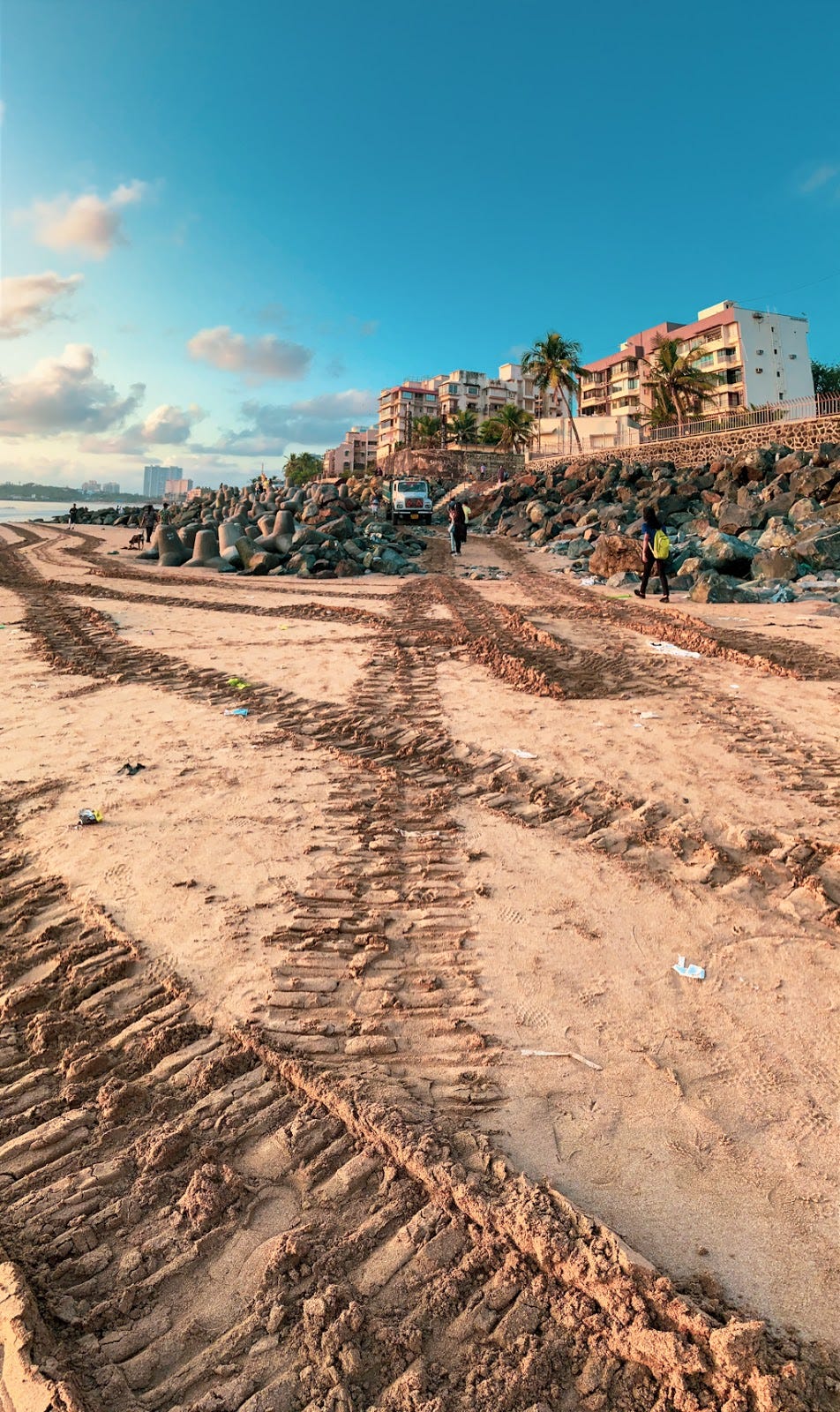
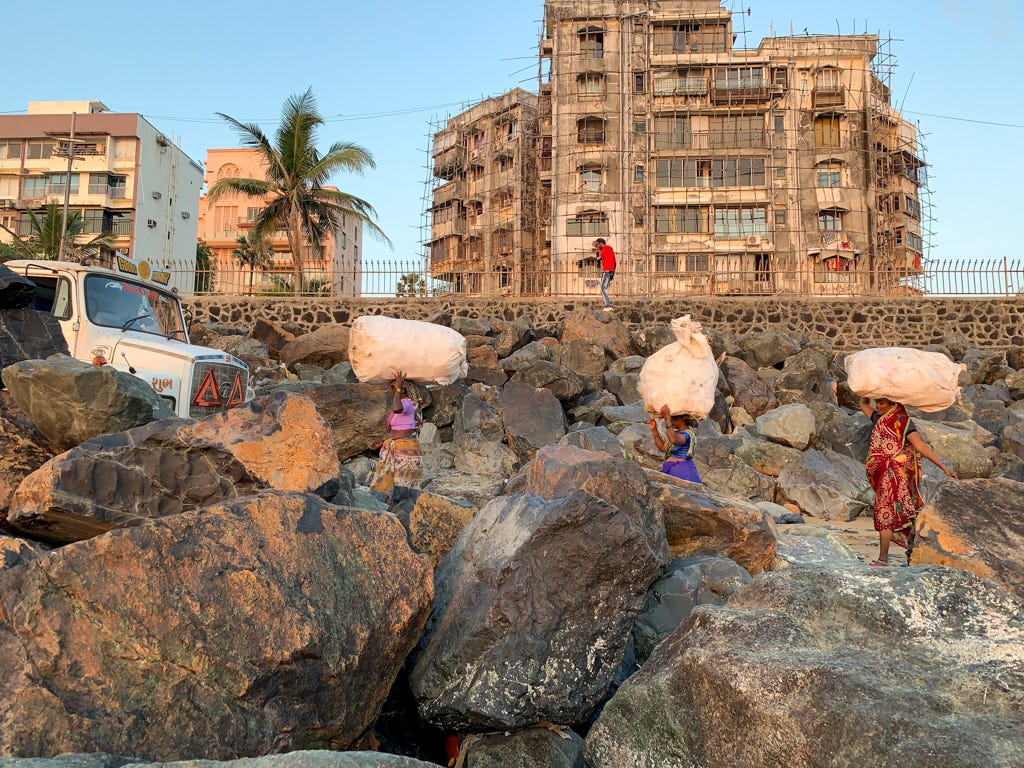
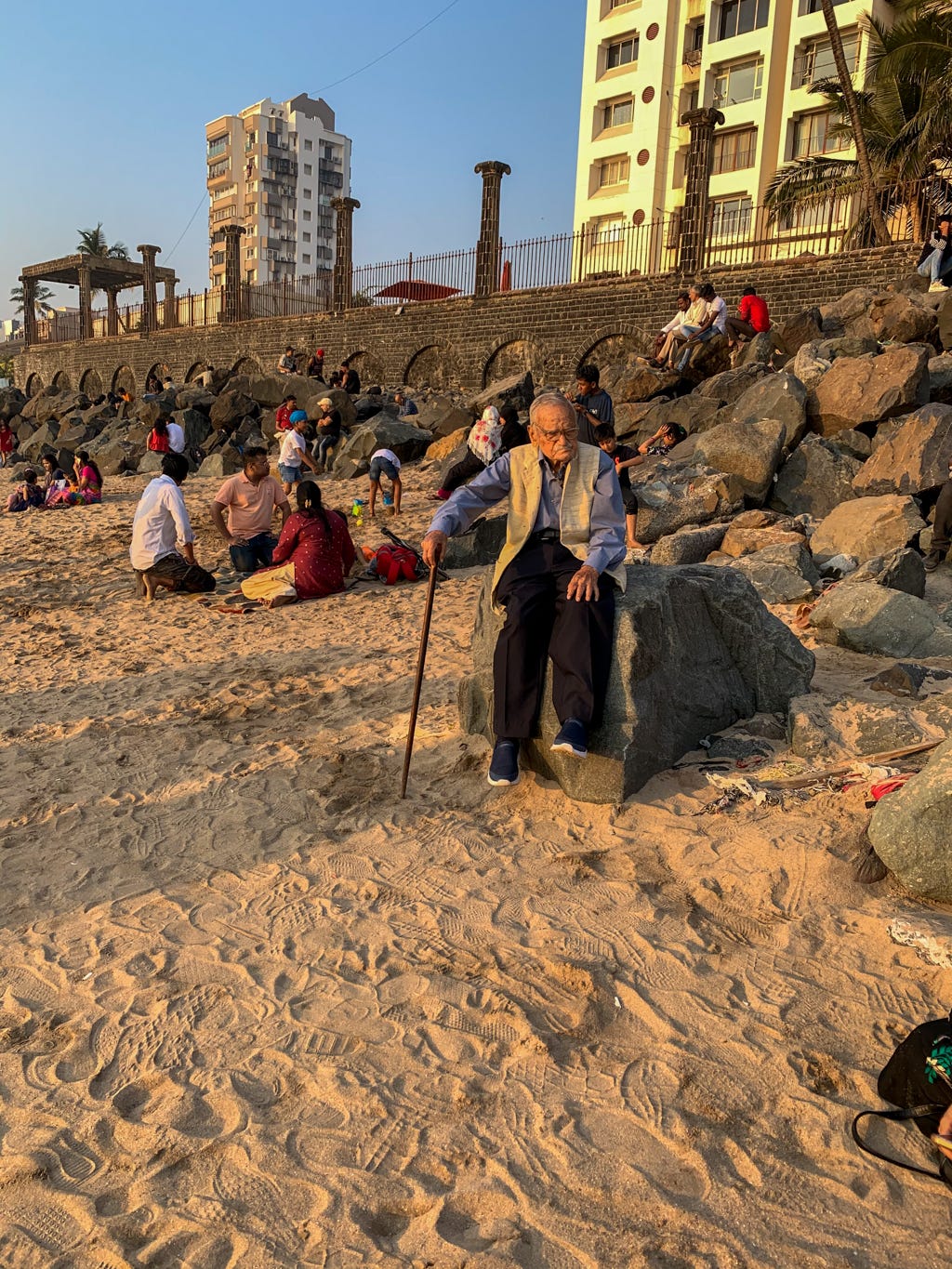
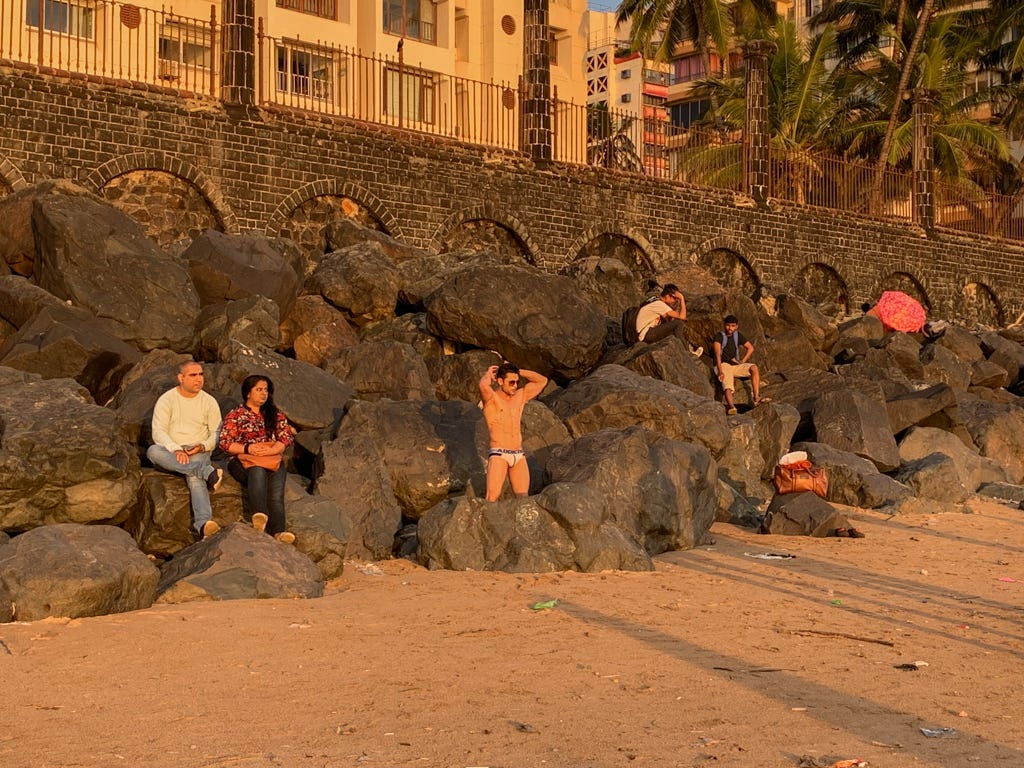
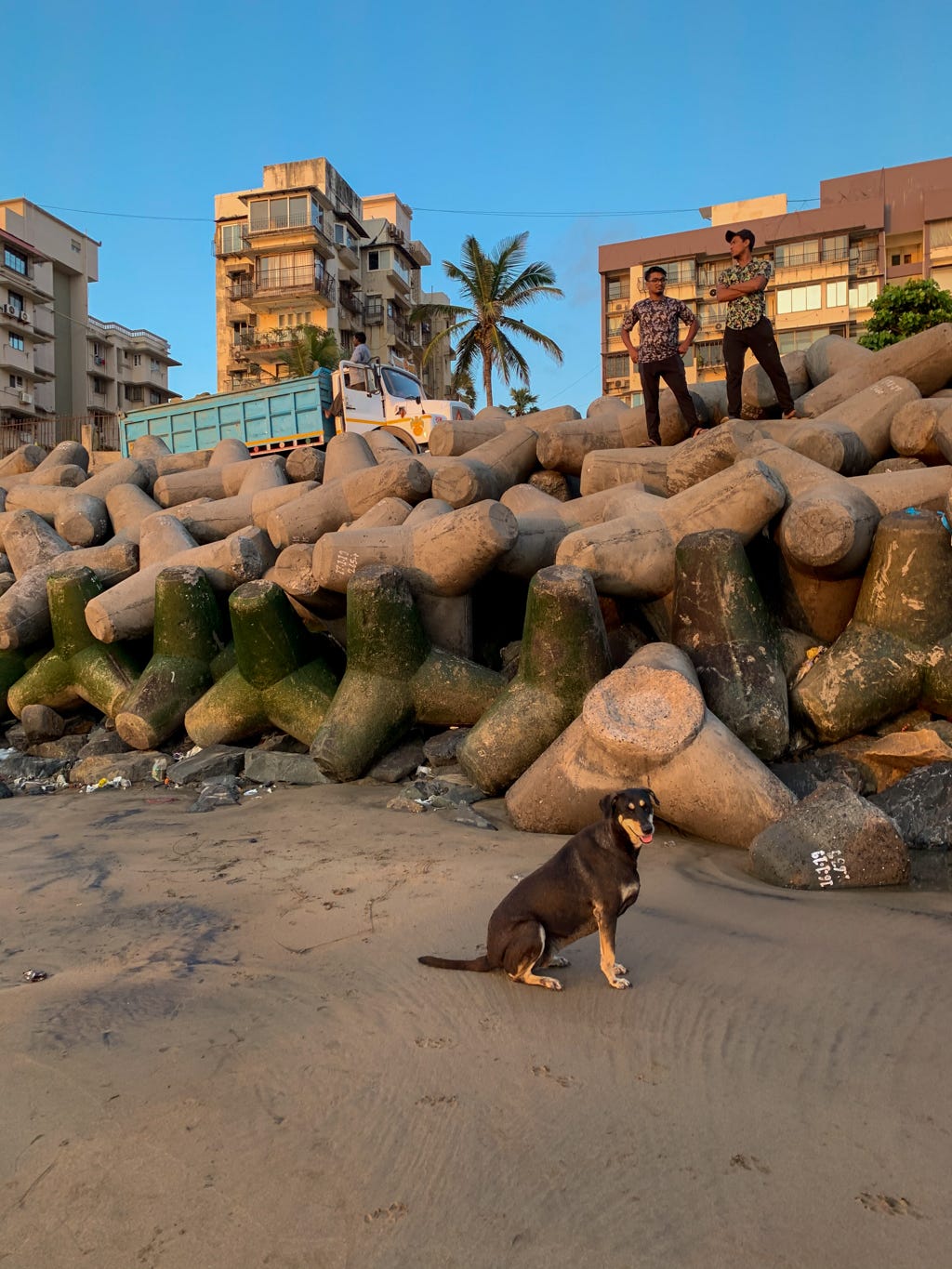
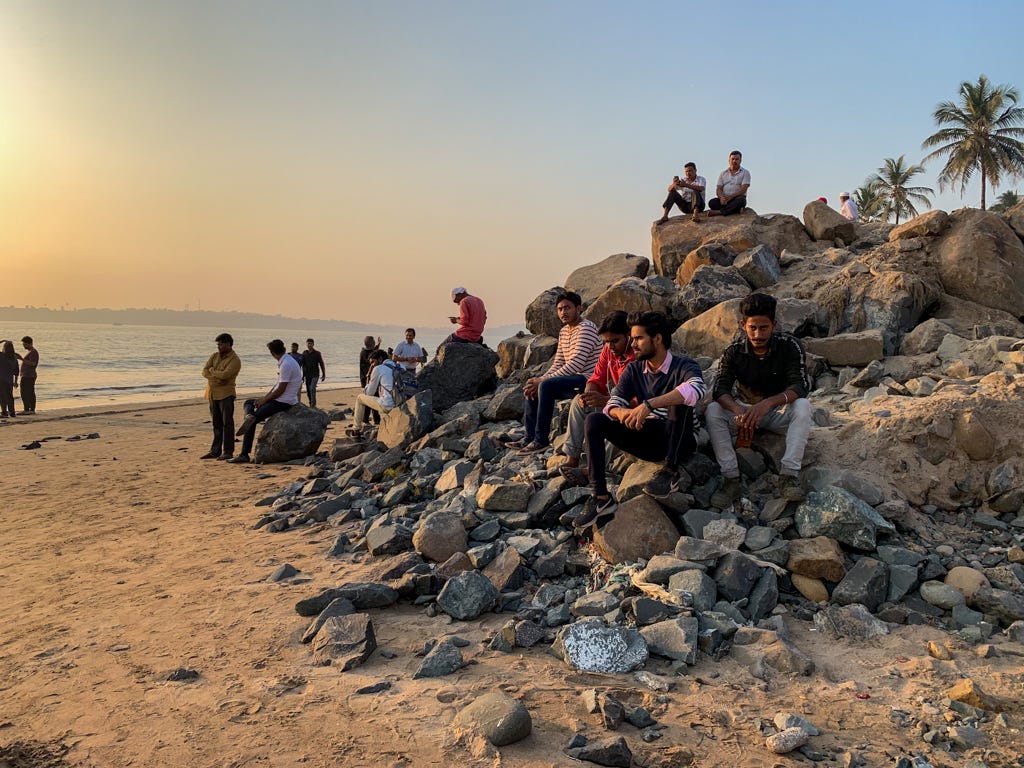
Every monsoon, the monsoon winds and waves lash the Mumbai and Western Coast gnawing away at the sand. Dams and human activities along the coast interfere with the natural flow and interaction of the ocean and the land, causing erosion that is not very well understood. The reaction to this is sea walls like the one along Versova Beach in Mumbai.
The erosion is worse along the Kerala coastline. Maybe it’s because of its many dammed rivers. Here are a few images from there:
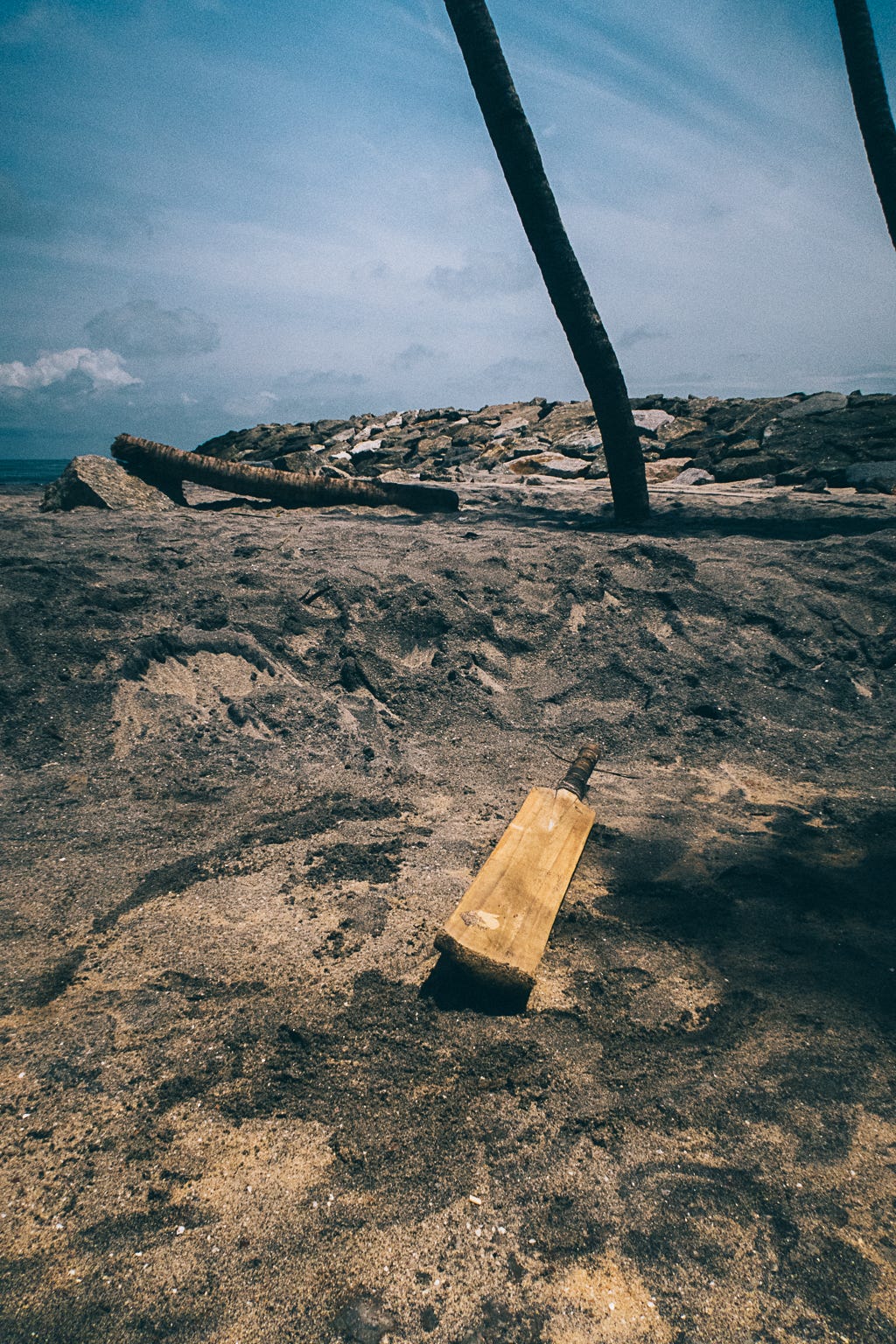
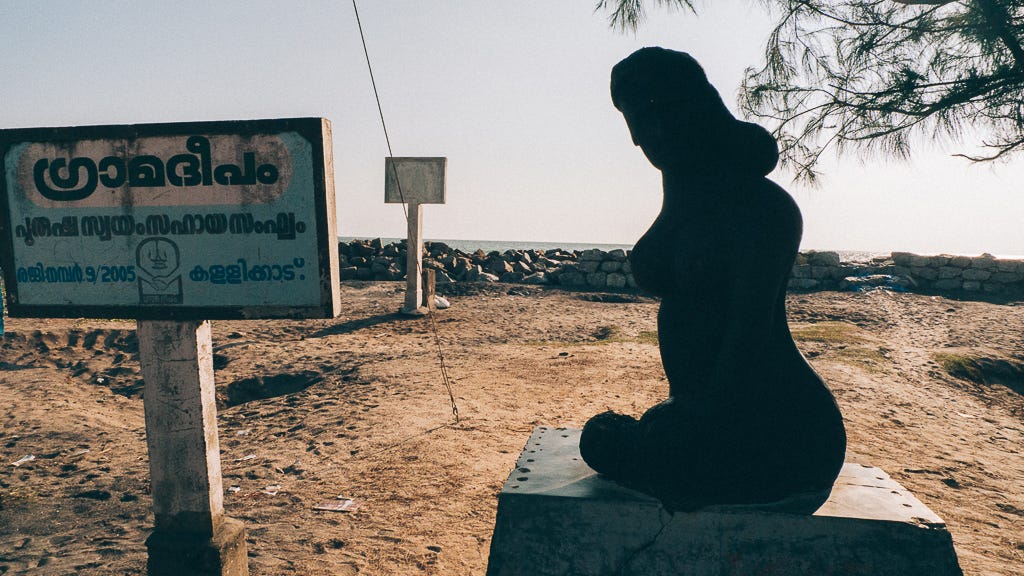
The sculpture above stands as a tribute to the individuals who lost their lives in Kallikad - Arattupuzha village, located in the Alappuzha district of Kerala, on the 26th of December 2004. However, by 2017, the sea had engulfed the area, including the wall visible in the background.
In Gujarat’s Udwada, to the north of Mumbai, the story is no different. A wall protects the small town.
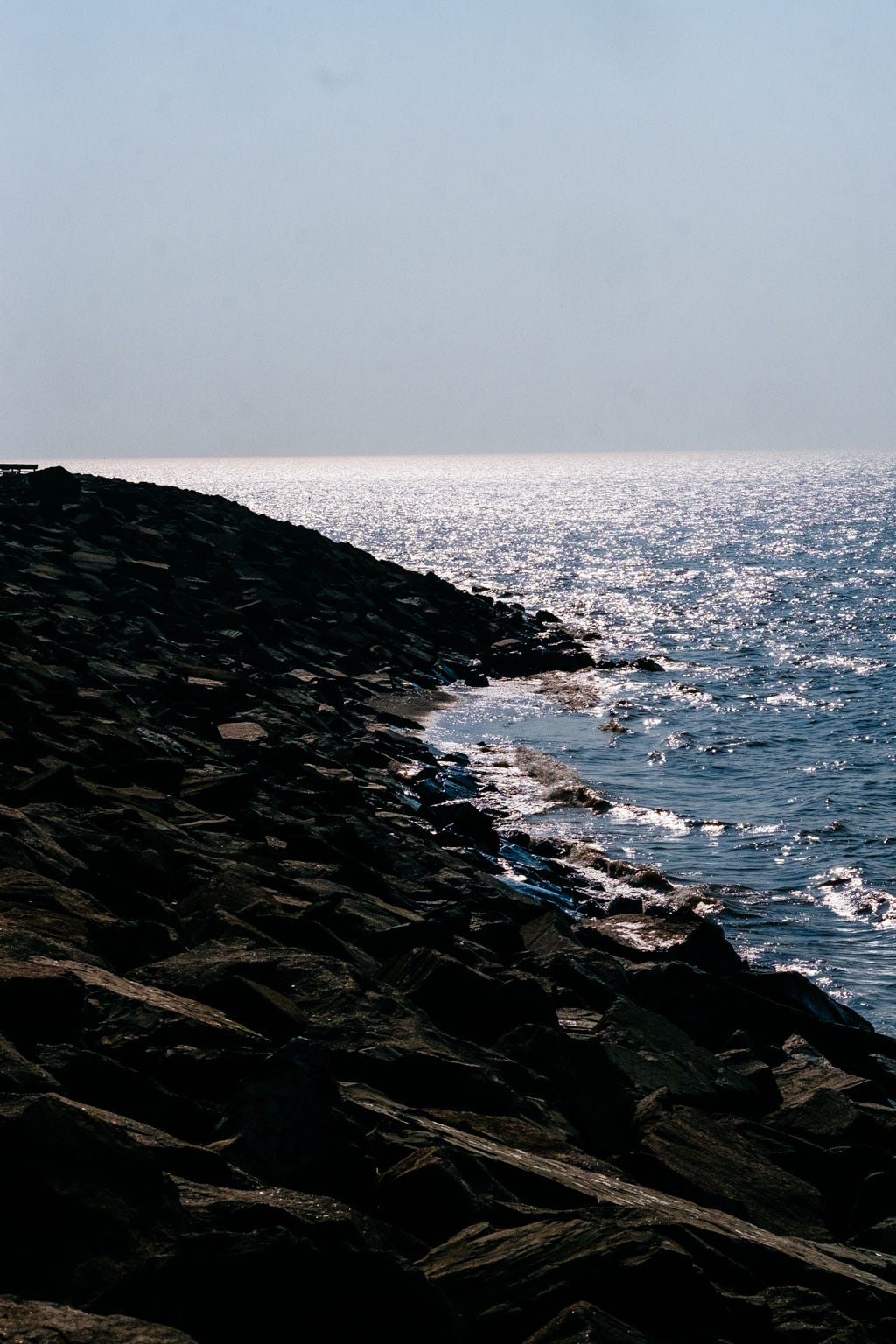
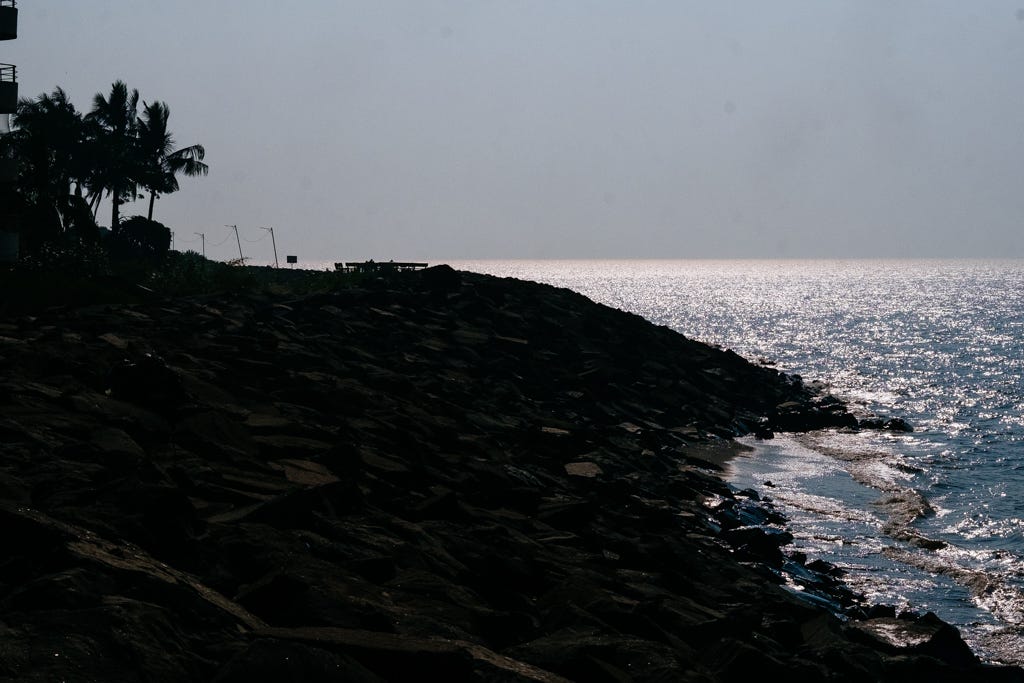
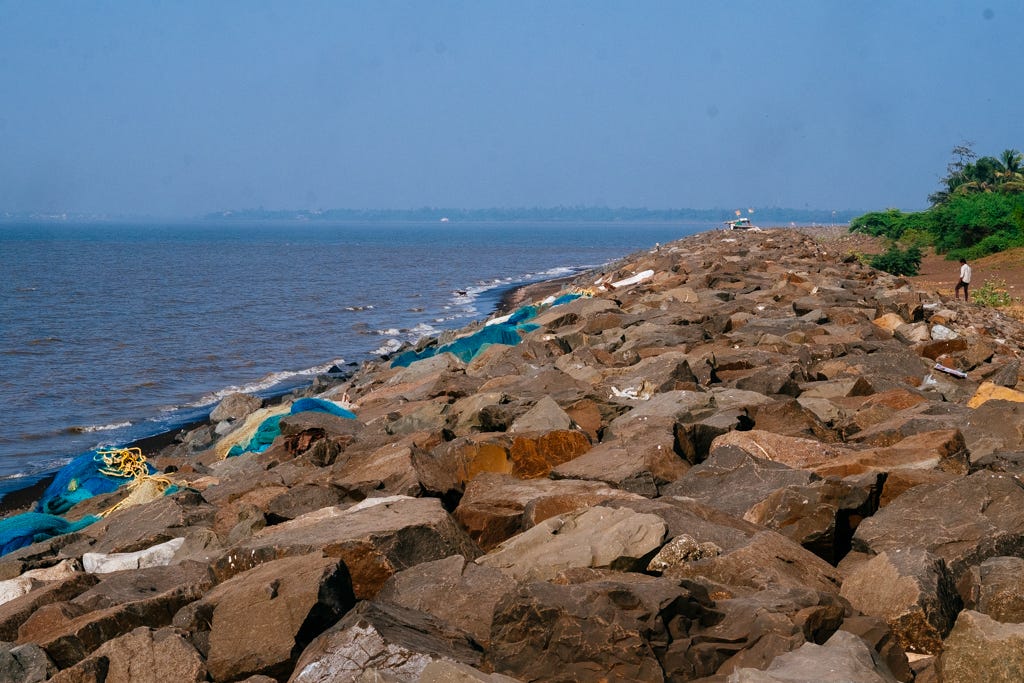
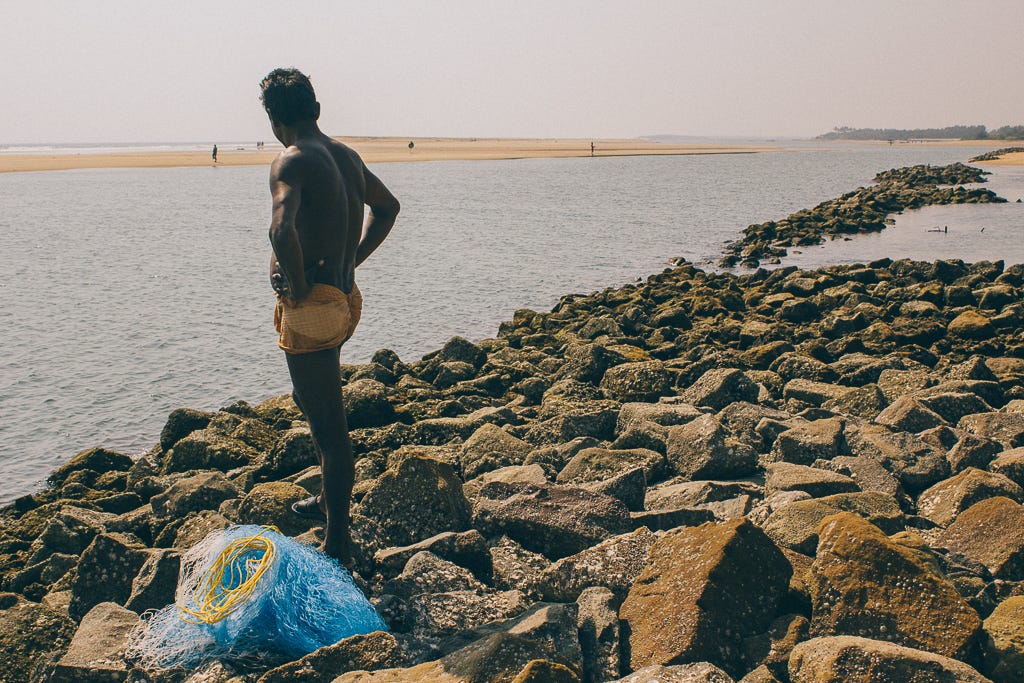
I haven’t travelled the East Coast much, but I did see a this in Ramchandi Beach in Odisha.

Meanwhile, in Mumbai, the coast is where the government has relaxed the rules and now allows construction activities in what used to be the Coastal Regulation Zone.
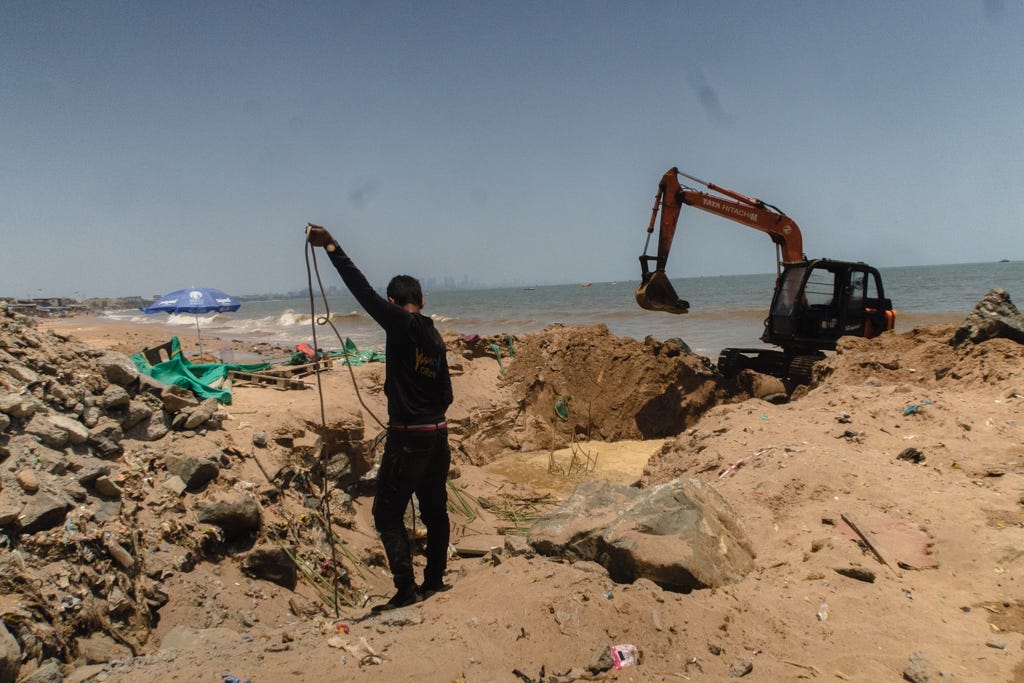
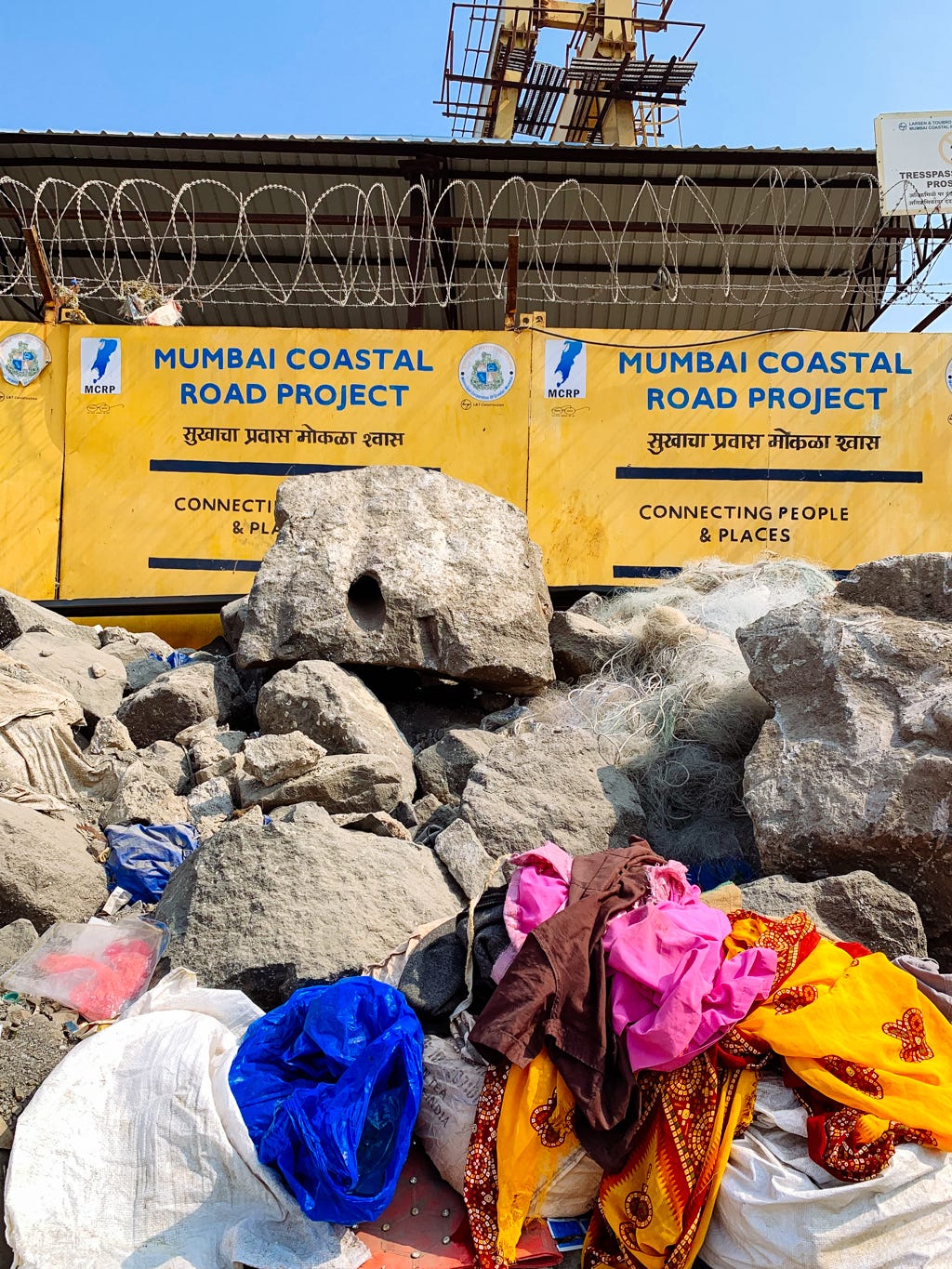
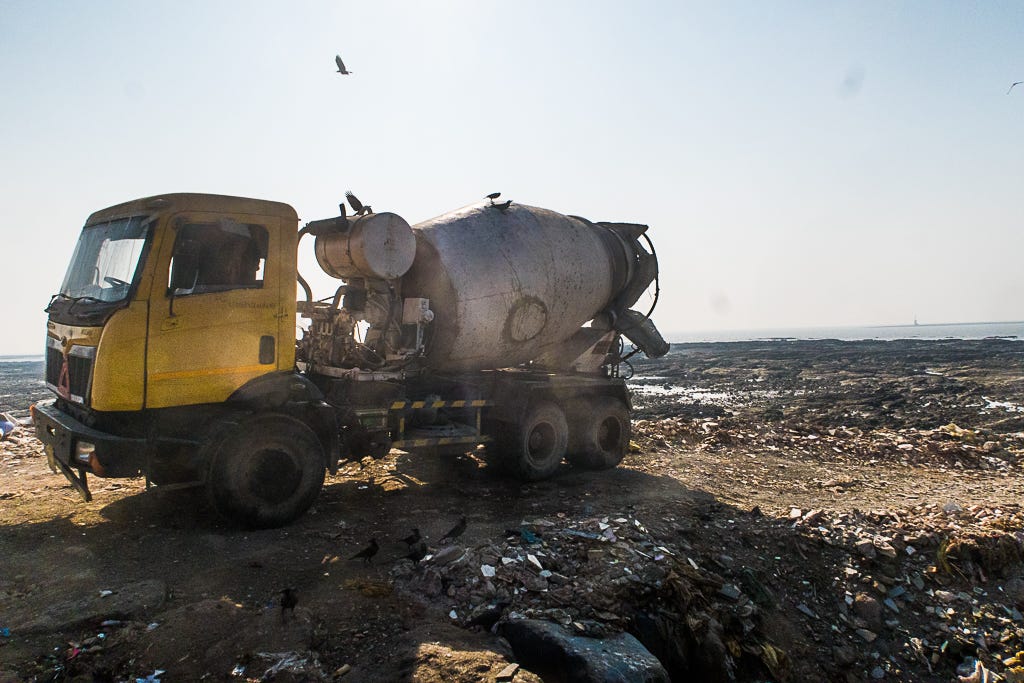
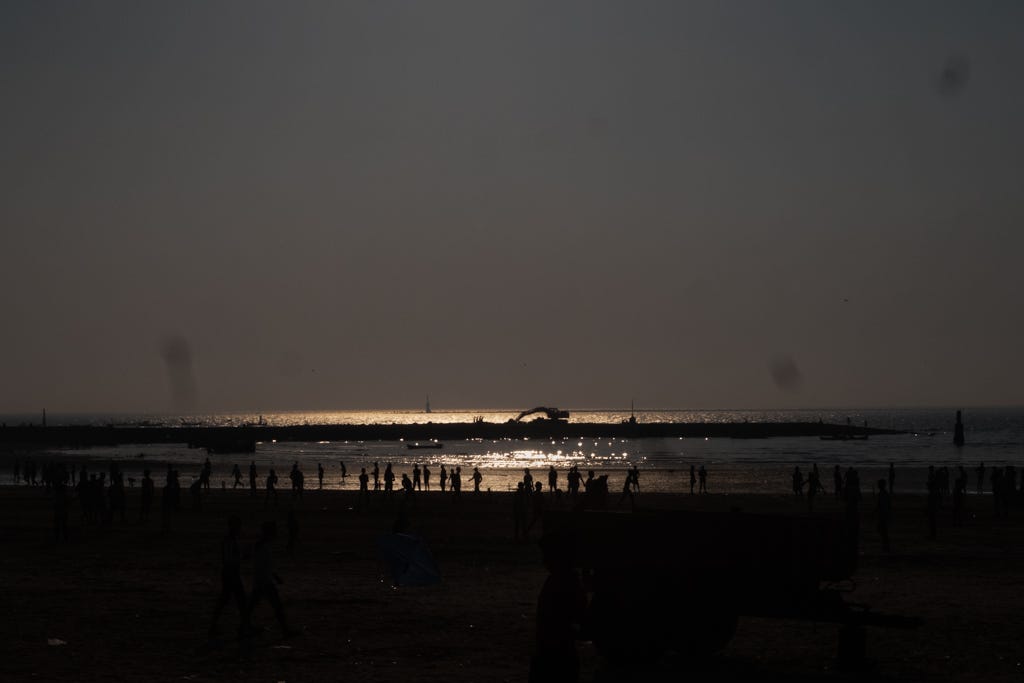
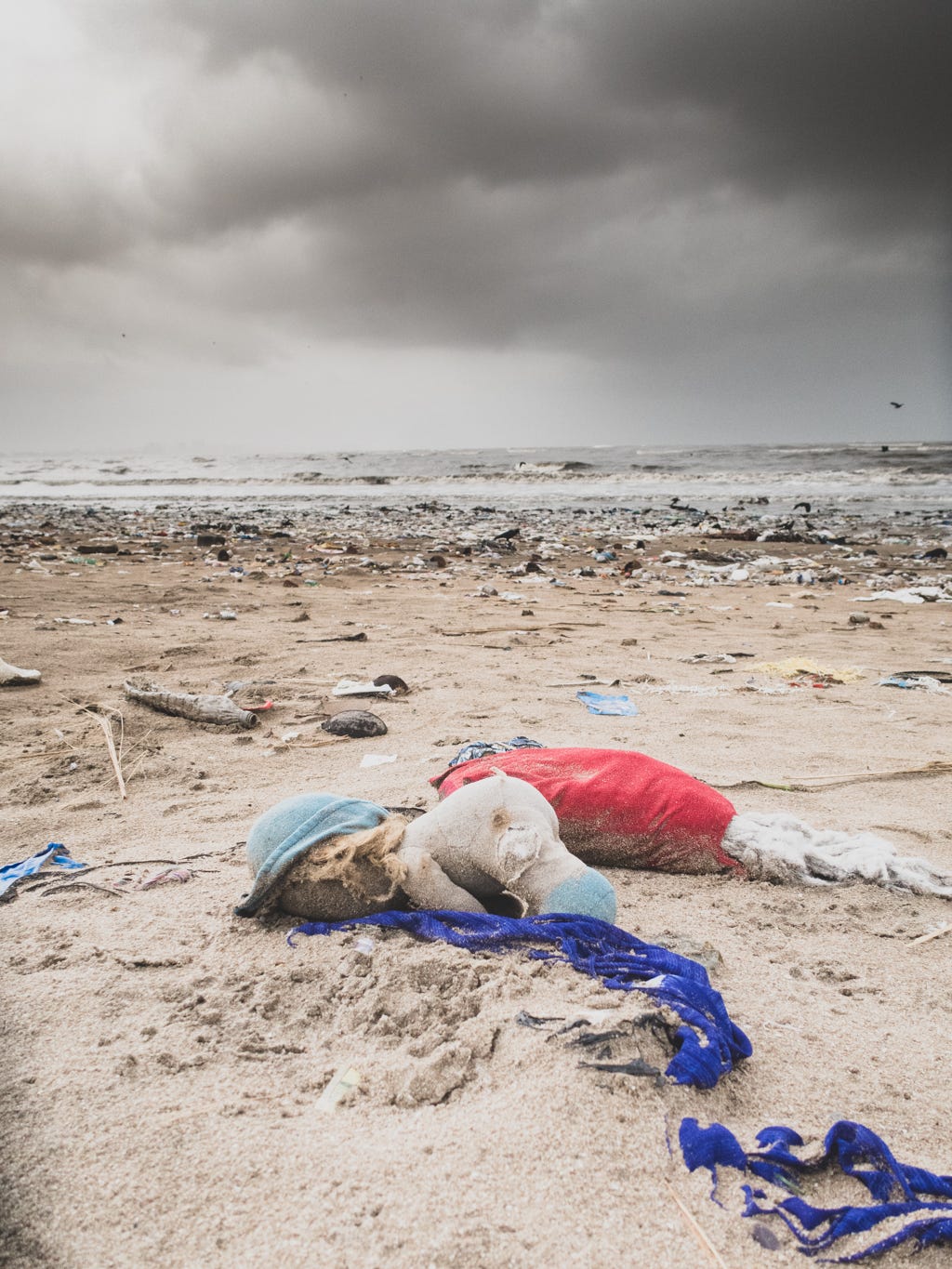
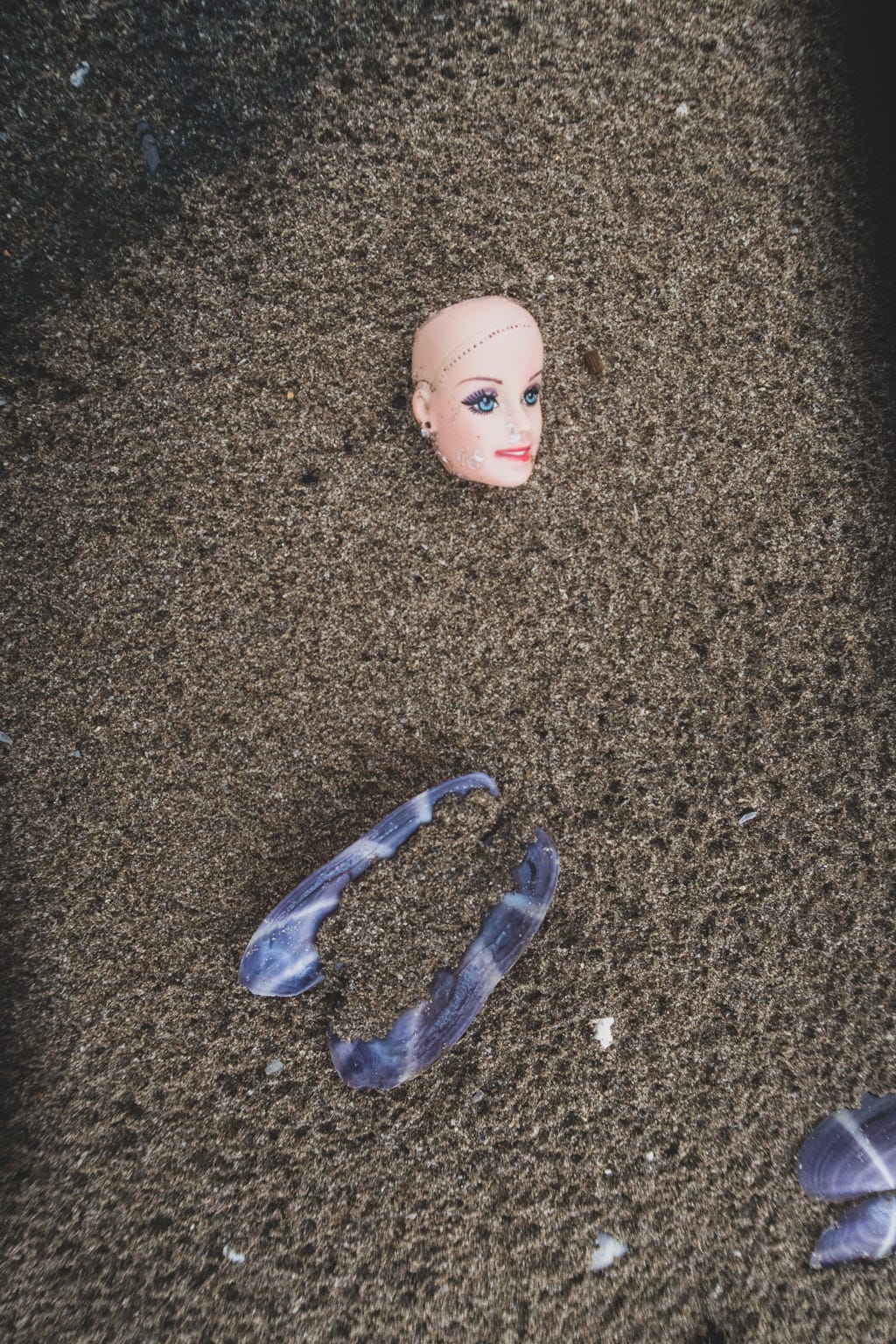
When it comes to us, it’s not all rocks, stones or concrete. We are plastic.
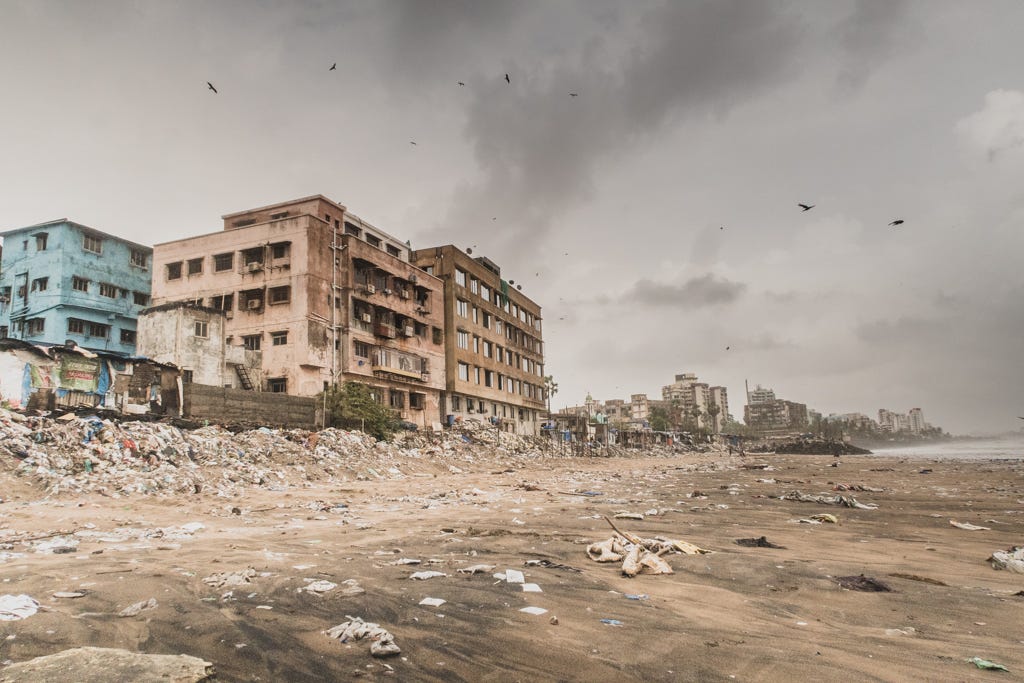
The ocean doesn’t care about us and in the end, we all die.